Imagine this: your WordPress site is cruising along smoothly, but you feel it’s time for a fresh look or improved functionality. The solution?
Updating your theme. But wait—what exactly happens when you hit that update button? You might be wondering if your site will break, if your content will disappear, or if there are hidden benefits you don’t know about. These are valid concerns, and understanding them can empower you to make informed decisions without anxiety.
By the end of this article, you’ll know exactly what to expect and how to make the update process seamless and stress-free. So, let’s dive in and uncover the mysteries of updating your WordPress theme. Are you ready to transform your site with confidence? Let’s go!
Theme Update Process
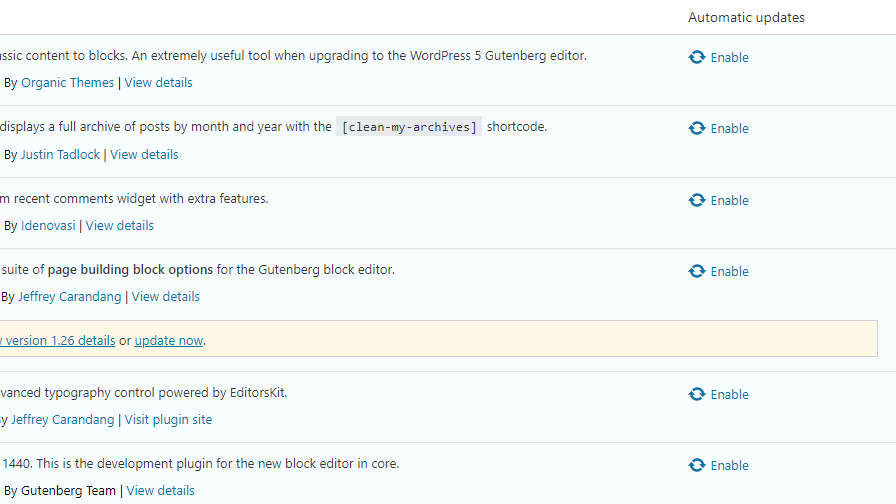
Most themes offer automatic updates
Always make a backup before you update your theme. This saves your data if something goes wrong. Use a plugin for easy backup. Store the backup safely. You can use cloud storage or your computer. Never skip this step. It protects your content and settings. A backup is your safety net. You can restore your site quickly if needed.

Credit: jetpack.com
Impact On Website Design
Updating your WordPress theme can change your website’s look. Colors might be different. Fonts can change too. Some parts might move around. This could make your site look new. But, it might confuse visitors. They might not find what they need.
Layouts can shift when themes update. A sidebar might move. Headers might become smaller. New styles may appear. Some elements might disappear. Always check after an update. Make sure everything looks right. Your site should still work well.
Sometimes, updates can break things. Reverting can fix this. Go back to the old theme. It’s like pressing undo. This can be a quick solution. Always back up before changes. Backups save time and stress. They keep your site safe.
Functionality Enhancements
Updating your WordPress theme can bring new features and improvements. Developers often add cool options. These might include better design tools. Or even faster loading times. Enhanced security is another plus. This keeps your site safe from threats. You might also see better mobile responsiveness. This helps your site look good on phones. Overall, updates can make your site better.
Themes need to work with plugins. Updates can help with this. Some plugins may not work with old themes. But new themes usually fix this. This ensures smooth operation. Your site functions without issues. This is very important for a happy user experience. Always check plugin compatibility before updating. It can save you a lot of trouble.

Credit: www.youtube.com
Potential Risks And Issues
Updating your theme might cause customizations to disappear. Changes made to your theme files can be overwritten. This means your website might look different. Colors, fonts, or layouts could change. Backup your theme before making updates. This helps save your custom changes. Use a child theme to keep customizations safe. A child theme can protect your work from being lost.
Your website may go down temporarily during a theme update. Visitors might not see your content. This can be frustrating for them. Ensure you have a maintenance mode plugin ready. It shows a friendly message while you fix things. Aim to update during low traffic hours. This reduces the number of people affected. Always check your site after an update to ensure everything works fine.
Testing And Troubleshooting
Staging environments are important for testing updates. They help you test safely. You can check changes without affecting the live site. It prevents your site from breaking. Always use a staging site before updates. It saves time and stress.
Errors can happen after updates. Check your site carefully. Look for broken links or missing images. Fix errors quickly to keep visitors happy. Use tools to find and fix problems. Make sure everything works well. This keeps your site smooth and reliable.
Credit: wptavern.com
Best Practices For Safe Updates
Updating your WordPress theme can bring new features, but it might change your site’s appearance. Backup your website first to prevent data loss. Check compatibility with plugins to ensure everything works smoothly after the update.
Regular Backups
Making a backup keeps your data safe. Update can change things. You might lose your work. Always save your files first. You can use plugins. Plugins help with backups. They are easy to use. Install one before updating.
Using Child Themes
Child themes keep changes safe. They protect your design. Main themes might change. Child themes hold your edits. They don’t change. You can update safely. Create a child theme first. It is easy. Use guides to help you.
Frequently Asked Questions
Will Updating My Theme Affect My Site’s Content?
Updating your theme won’t change your site’s content like posts or pages. However, it might alter the design or layout. Always back up your site before making updates to prevent any unexpected issues or losses. This ensures you can restore your site if needed.
Can A Theme Update Break My Site?
Yes, a theme update can sometimes cause issues. This might happen if the update conflicts with plugins or custom code. Always test updates on a staging site first. This helps you avoid potential problems on your live site and ensures everything runs smoothly.
Do I Lose Customizations With A Theme Update?
You might lose customizations if you haven’t used a child theme. A child theme preserves your customizations during updates. Always back up your site before updating. Consider using a child theme to maintain your custom design elements and avoid losing changes.
How Often Should I Update My Theme?
Update your theme whenever there’s a new release. This ensures you have the latest features and security patches. Regular updates help keep your site secure and functioning optimally. Always check the theme changelog to understand what changes or improvements have been made.
Conclusion
Updating your WordPress theme can bring fresh features. Keep your site secure by staying updated. Before you update, back up your site. This prevents data loss if things go wrong. Check your plugins’ compatibility with the new theme version. This ensures smooth functionality.
It’s wise to test the update on a staging site first. This helps catch errors before they go live. Updating a theme can improve your site’s design and performance. Approach it carefully for a smooth transition. Remember, regular updates keep your site running well.
They also enhance user experience.