You’ve spent countless hours crafting your WordPress site to perfection, but now you’re thinking about giving it a fresh look. Changing your WordPress theme can be exciting, but it’s crucial to know what really happens when you make this switch.
Will your content stay intact? What about those widgets you painstakingly set up? And how might your SEO be impacted? Before you dive into a new design, it’s essential to understand the ins and outs of what a theme change means for your site.
We’ll walk you through everything you need to know, so you can make the transition smoothly and confidently. Keep reading to ensure your site remains as functional and engaging as ever, while enjoying a brand new look!
Theme Change Basics
Changing a WordPress theme can make your site look different. Colors, fonts, and layouts will change. Some features may not work with the new theme. Widgets and menus might move or disappear.
It is important to check your settings after changing themes. Make sure your site works as you want. Backup your site before changing themes. This keeps your content safe.
Credit: www.sktthemes.org
Impact On Site Appearance
Changing a WordPress theme can change your site’s look. The layout may not be the same. Some parts may move or disappear. Your sidebar might shift to the other side. The header and footer could look different. These changes affect how users see your site.
With a new theme, the style and aesthetics may also change. Colors can be different. Fonts might not match the old ones. The feel of your site can become more modern or simple. This can change how your site feels to visitors.
Effects On Site Functionality
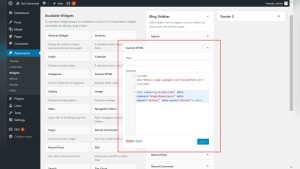
Widgets may not work the same after a theme change. New themes might not support certain widgets. They could even disappear. Reconfiguring widgets might be necessary. You might need to add them back manually. This can be confusing. Plan ahead. Save your widget settings before changes. This helps keep your site the same.
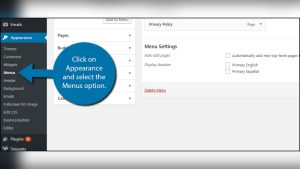
Menus can change when switching themes. Some menus might vanish. Menu locations might be different in the new theme. You may need to reassign menus to new locations. Sometimes, menu styles change too. This can make your site look different. Check your menu settings after a theme change. Make sure everything is in the right place.
Content Display Changes
Changing a WordPress theme can affect how your posts and pages look. Text might shift. Headings could become bigger or smaller. Lists may have different styles. The spacing between lines can change. Even the fonts could be different. This happens because each theme has its own design rules. Your content stays the same, but its appearance changes.
Media like images and videos can look different too. New themes might resize pictures. They can also move media to new spots. A video might appear in a new style. The way galleries display can change. This can alter the visual feel of your website. Yet, all your media files remain safe. They are just shown in a new way.
Seo Considerations
Changing your WordPress theme can affect SEO elements like site speed and mobile responsiveness. Theme alterations might impact meta tags, header structures, or image optimization, potentially influencing search rankings. Always check compatibility and test thoroughly to maintain your site’s SEO integrity.
Url Structure Impact
Changing themes can change your URL structure. This affects how people find your site. Some themes use different URL formats. These changes might lead to broken links. This is bad for your site. Fix broken links quickly. This helps keep your SEO strong.
Meta Tag Revisions
New themes might change your meta tags. Meta tags tell search engines about your page. They help users find your site. Check your meta tags after a theme change. Make sure they describe your content well. Good meta tags improve search engine ranking.
Customization And Settings
Changing a theme can alter the look of your site. Some settings might reset. You may need to adjust colors or fonts again. Widgets can move or disappear. Keep a backup of your old settings. This helps you restore them if needed. Custom menus might change as well. Always review your site after a theme change. Make sure everything looks good.
Some plugins may not work with the new theme. Check each plugin after changing themes. Update plugins if they are outdated. Sometimes, a new theme needs new plugins. Look for compatible ones in the plugin store. Test important features of your site. Ensure everything functions as expected. Keep your site running smoothly with the right plugins.
Backup And Restore
Always make a backup before changing themes. It keeps your site safe. Use a reliable plugin for backups. Schedule regular backups. Save them in a secure place. This helps if something goes wrong.
Check your backups. Make sure they work. Test them often. This ensures you can recover your site. Keep multiple copies. This is a good practice.
Start by choosing the latest backup. Download it to your computer. Use your backup plugin to restore the site. Follow the plugin instructions. Usually, it is just a few clicks. Wait for the process to finish.
Check your site after restoration. Make sure everything is there. Fix any missing parts. Now your site is back to normal. Remember, restoring is as important as backing up.

Credit: wordpress.com
Testing And Troubleshooting
Changing a WordPress theme can alter your site’s appearance and functionality. Expect layout shifts and possible plugin conflicts. Always back up your site before making changes to avoid data loss.
Previewing Changes
Before changing your WordPress theme, use the preview option. This helps you see how your site looks. It’s like trying on new clothes. You can decide if you like it or not. If something looks wrong, you can fix it first.
Common Issues
Changing themes might cause some problems. Images might not fit well. Your menu might disappear or look different. Sometimes, widgets might not show up. These are normal issues. Most can be fixed easily.
Check your backup before changing. This keeps your site safe. If something breaks, you can go back. Always test your site after changing themes. Make sure everything works. This saves you from surprises later.
Tips For A Smooth Transition
Picking a new theme is fun. But it’s important too. Make sure the theme fits your needs. Check if it’s responsive and works on mobile devices. Look at the ratings and reviews. A good theme has high ratings. A theme should be fast and easy to use. Choose a theme with good support and updates.
Backup your site first. Save all your data. Use a plugin for this. Check your widgets and menus. Make a list of them. They might change with a new theme. Test your new theme on a staging site. It helps find problems. Fix them before going live. This keeps your site safe.

Credit: wordpress.com
Frequently Asked Questions
Can Changing Themes Affect My Site’s Layout?
Yes, changing themes can alter your site’s layout significantly. Different themes have unique design elements, which may affect the appearance. Widgets, menus, and other features might be positioned differently. It’s crucial to preview the new theme and make necessary adjustments to ensure your site’s layout remains user-friendly and visually appealing.
Will I Lose Content When Changing Themes?
No, changing themes won’t delete your content. Content like posts, pages, and media files remain intact. However, specific theme-dependent features might disappear, requiring reconfiguration. It’s advisable to review your site thoroughly post-change to ensure all essential elements are correctly displayed and functioning as intended.
How Does Theme Change Impact Site Speed?
Changing themes can impact site speed positively or negatively. Themes with optimized code and fewer resources tend to load faster. Conversely, heavy themes with excessive scripts can slow your site down. Always choose themes known for speed optimization to enhance user experience and potentially improve SEO rankings.
Do I Need To Back Up Before Changing Themes?
Yes, backing up your site before changing themes is crucial. This precaution protects against potential data loss or configuration issues. Use reliable backup plugins to save your current site state. This ensures you can restore your site quickly if anything goes wrong during the theme transition process.
Conclusion
Changing a theme in WordPress affects site appearance. It can alter layouts, colors, and fonts. Users might need to adjust settings. Some features may not work as before. Backup your site before making changes. This ensures data safety. Test the new theme thoroughly.
Check every page and post. Look for broken links or missing images. A different theme can refresh your site. But it needs careful handling. Take time to explore options. Choose a theme that suits your content. A well-chosen theme enhances user experience.
It also reflects your brand identity. Happy designing!