Are you ready to take control of your WordPress site like never before? Imagine building your website with just a few powerful commands on the command line.
It might sound complex, but once you grasp these essential commands, you’ll unlock a new level of efficiency and customization. Whether you’re a seasoned developer or just dipping your toes into the world of WordPress, understanding how to build on the command line can save you time and empower you with more control over your site.
Dive into this guide and discover how easy it is to streamline your WordPress setup, making your website not just functional, but exceptional. Let’s explore these commands and revolutionize your web-building experience.

Credit: wpmudev.com
Setting Up The Environment
Begin with installing essential software for WordPress. First, get a web server like Apache. It helps in running your site. Next, install a database server, like MySQL. This stores all your data. Lastly, you need PHP. It makes WordPress work. Use a package manager to install them easily. For example, on Ubuntu, use the apt-get command.
After installing, configure the server. Set up the Apache server first. Edit its configuration files. Ensure it points to the right directory. Next, configure MySQL. Set up a strong password. Create a database for WordPress. Make sure PHP is connected to Apache. Check if all services are running. Restart the server to apply changes.
Downloading WordPress
WP-CLI is a tool. It helps manage WordPress from the command line. To download WordPress, use a simple command. Type wp core download in the terminal. This command fetches the latest version of WordPress. It’s fast and easy. Make sure your server meets WordPress requirements.
After downloading, check if it’s complete. Use the ls command. This lists all files in your folder. Look for WordPress files. They should be there. If not, try downloading again. Ensure your internet is stable. A complete download is important. It ensures WordPress works well.
Creating The Database
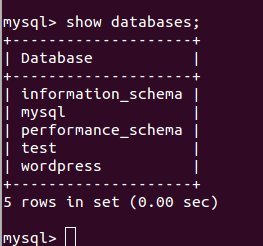
Use the command line to create a new database. Type mysql -u root -p to start. Enter your password. Now, create a database with CREATE DATABASE wordpress_db;. It’s important to remember this name. It will be used later.
Exit by typing exit;. This completes the database creation. Simple and fast.
Open the command line again. Log in using mysql -u root -p. Create a new user with CREATE USER 'wp_user'@'localhost' IDENTIFIED BY 'password';. Replace ‘password’ with a strong password.
Grant full privileges with GRANT ALL PRIVILEGES ON wordpress_db. TO 'wp_user'@'localhost';. Refresh by typing FLUSH PRIVILEGES;. Finally, exit with exit;. Now your user is ready.
Configuring WordPress
wp-config.php is an important file in WordPress. It stores settings. You must edit it to connect the database. Open this file in a text editor. Look for database connection settings. These include database name, user, and password. Change these to match your database. Save the file after editing.
You need to set up the database. First, create a new database. Use the command line for this. Then, make a user for your database. Give this user a strong password. Next, grant the user access to the database. This step ensures WordPress can use it. Finally, test the connection. Ensure everything works right.
Installing WordPress
First, open your command line. Type in the command to download WordPress. This command is simple. It will download the WordPress files. Here is the command: wp core download. Run this command in your terminal. Wait for the download to finish. It will only take a few seconds. Now, you are ready for the next step.
Now, you need to create an admin user. This user will manage your site. Use this command: wp user create. You must add your username and email. Also, add a strong password. This keeps your site safe. Here is an example: wp user create admin admin@example.com --role=administrator --user_pass=yourpassword. Run this command. Your admin user is now ready.
Customizing The Installation
Use WP-CLI to install themes. It’s fast and simple. First, make sure WP-CLI is set up. Next, find the theme you want. Check its name and version. Then, use the command: wp theme install theme-name. This command downloads the theme. After downloading, activate it with: wp theme activate theme-name. Your new theme is ready.
Plugins make WordPress more powerful. To install plugins, use WP-CLI. Find the plugin name first. Check the plugin’s details. Then, type: wp plugin install plugin-name. This command downloads it. To use the plugin, activate it. Type: wp plugin activate plugin-name. Now, your plugin is active. WP-CLI makes this process easy and quick.
Managing WordPress Updates
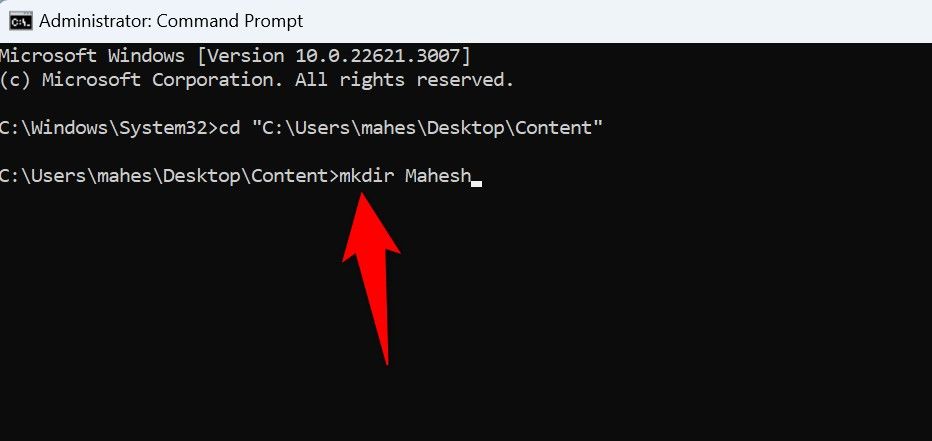
Core files are the heart of WordPress. They keep your site safe and running smoothly. Use command line to update these files. This method is fast and saves time. Type the command: wp core update. This updates WordPress to the latest version. Always backup before updating. This protects your site from any mistakes.
Themes give your site its look. Plugins add features. They need updates too. Use command line for quick updates. Type wp theme update --all to update all themes. For plugins, type wp plugin update --all. This keeps everything fresh and secure. Updating themes and plugins is very important. It ensures your site works well. Make sure you check for updates often. This helps keep your site safe from bugs.
Credit: www.howtogeek.com
Backup And Security Commands
Backups keep your site safe. Use commands to make backups automatic. Schedule them to run at regular times. This way, your data is always safe. Use the rsync command for copying files. It’s fast and effective. Another tool, tar, helps compress files. Smaller files are easier to store. Always store backups in a different location. This ensures data safety. Automating saves time and effort.
Secure your site to keep hackers out. Use commands like chmod to set file permissions. This keeps important files safe. Always update your software. New updates fix security holes. Use firewall commands to block bad traffic. Firewalls act like guards. They protect your site from attacks. Strong passwords are vital. Change them often to keep accounts safe. Security is important.
Credit: wpwebhost.com
Frequently Asked Questions
How Do I Install WordPress Using Cli?
Installing WordPress via the command line is efficient. First, ensure WP-CLI is installed. Then, use the command `wp core download` followed by `wp core install` with necessary parameters like URL, title, and admin credentials. This automates the process, saving time and effort.
What Is Wp-cli?
WP-CLI is a powerful command line tool for WordPress. It simplifies tasks such as updates, backups, and plugin management. By using WP-CLI, developers can perform complex operations quickly. It streamlines development, making WordPress administration more efficient and less error-prone.
Can I Update WordPress Via Command Line?
Yes, you can update WordPress using WP-CLI. Execute the command `wp core update` to update WordPress core. This ensures your site is secure and running the latest version. WP-CLI also lets you update plugins and themes efficiently, enhancing site performance.
How To Manage Plugins With Wp-cli?
WP-CLI allows easy plugin management. Use `wp plugin install` to add new plugins and `wp plugin activate` to enable them. You can also deactivate or delete plugins using `wp plugin deactivate` and `wp plugin delete`. This simplifies WordPress plugin management significantly.
Conclusion
Building WordPress via command line simplifies the setup process. It saves time. Commands automate tasks, reducing manual steps. Developers gain more control. Customization becomes easier, enhancing the site’s functionality. Command line tools ensure a streamlined workflow. They help manage WordPress efficiently.
Beginners might need practice, but it’s worth it. Explore and learn these commands. Boost your WordPress skills. Empower your projects with command line knowledge. Embrace this efficient method today. Your future WordPress sites will thank you.