Imagine reaching a global audience with your WordPress site. Sounds exciting, right?
But how do you make sure everyone understands your content, no matter where they’re from? This is where WordPress translations come into play. You might be wondering what they are and how they can transform your website. We’ll dive into the world of WordPress translations and uncover how they can help you connect with audiences from different corners of the world.
You’ll discover simple ways to make your site multilingual and see why it’s crucial for expanding your reach. Keep reading, and unlock the potential to communicate with everyone, everywhere.

Credit: kristenmapes.com
WordPress Translation Basics
Translating WordPress helps people all over the world. WordPress is used by many websites globally. To make it useful, it needs to speak many languages. Translations change the language of your site. This makes it easier for visitors to read.
Plugins help with translations. Plugins are small software tools. They add features to WordPress. Some popular plugins include Polylang and WPML. They help change words on your site. This way, more people can understand it.
Another way is using themes. Themes change the look of your site. Some themes are ready for different languages. This is called being translation-ready. It means the theme can change language easily. So, with the right tools, your site can talk in many languages.
Importance Of Multilingual Sites
Many people speak different languages around the world. Websites that offer multilingual options can reach more visitors. This is important for businesses that sell products online. People feel more comfortable shopping in their own language. A multilingual site can make this possible. It helps in building trust with users.
Using WordPress translations is one way to create such sites. It allows content to be available in various languages. This makes the site accessible to a broader audience. A bigger audience can mean more sales and growth. Offering content in multiple languages can also improve customer satisfaction. People can easily find information they need. This makes them happy and more likely to return.
Translation Plugins And Tools
WordPress has many translation plugins that help. WPML is very popular. It supports many languages. Polylang is another choice. It is simple and free. Weglot is fast and easy. But it is not free. These plugins make sites multilingual.
Automated translations use machines. They work fast but can have mistakes. Manual translations use humans. They are slower but more accurate. Machines are good for simple texts. Humans are better for complex texts. Choose wisely for best results.
Credit: translatepress.com
Setting Up Translations
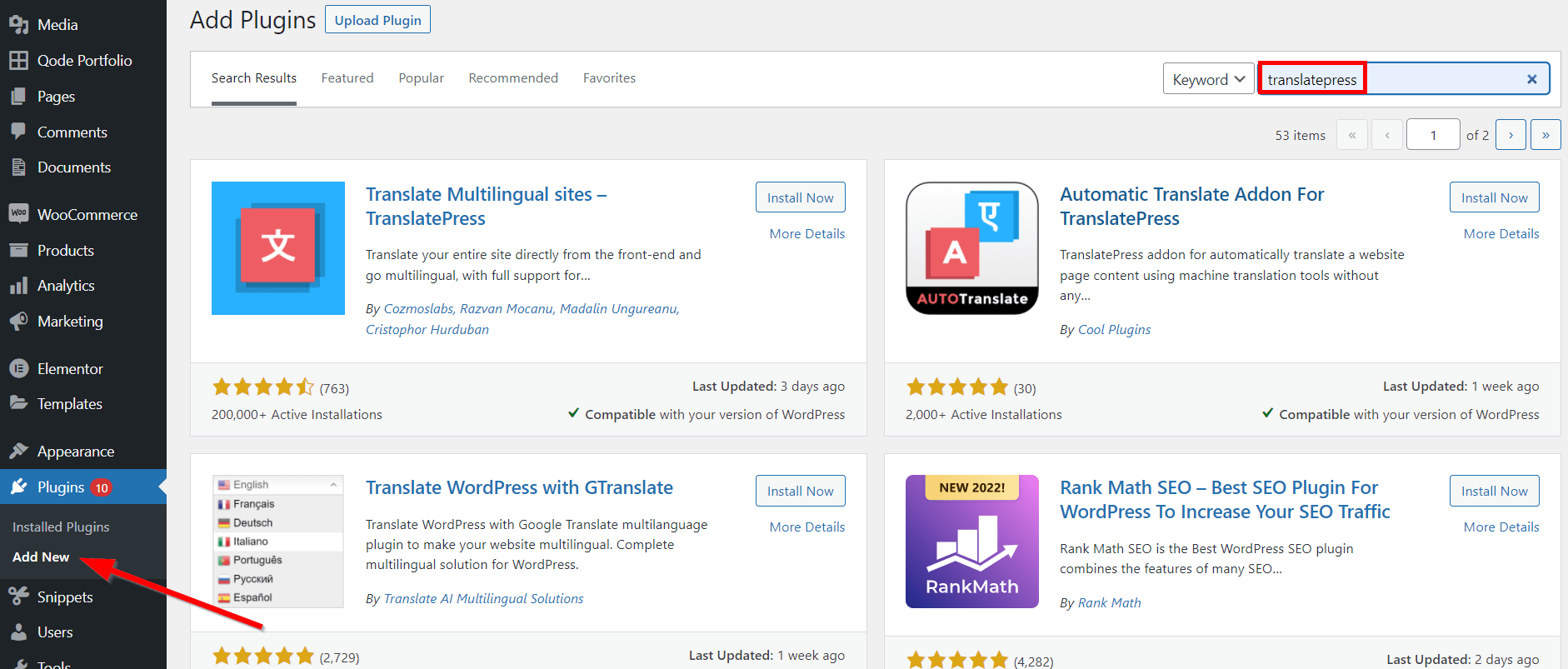
First, choose a plugin for translations. Popular choices are WPML and Polylang. Visit the plugin section on WordPress. Search for your chosen plugin. Click install and then activate. Plugins make translations easy. Follow their instructions. They guide you step-by-step.
After installing, set the default language. Go to the settings menu. Select the language you prefer. Add other languages if needed. Choose the language switcher option. This lets users change languages. Check all settings. Make sure everything is correct. Save changes to apply them.
Managing Content In Multiple Languages
WordPress translations let users read in their own language. Pages and posts need translating for this. Plugins can help with translations. They make the process easier. Choose a plugin that fits your needs. Some plugins offer manual translations. Others use automatic translations. Automatic translations save time. Manual translations give more control. Quality is better with manual translations. Check translations before publishing. Accuracy is important. Make sure all content is clear. This helps readers understand better.
Images and videos need translations too. Captions should be in the right language. File names should match the content. This helps in search results. Use plugins for media translations. They make the process simple. Keep media files organized. This saves time later. Clear file names help users find what they need. Alt text is important for images. It should be in the language of the content. Alt text helps in SEO. Properly translated alt text improves visibility. Make sure all media is relevant. It should fit the translated content.

Credit: make.wordpress.org
Optimizing Seo For Multilingual Sites
Hreflang tags help search engines understand your site. They tell which language a page uses. This improves user experience and search ranking. Place these tags in the HTML head of each page. Make sure each tag points to the correct language version. This helps avoid duplicate content issues. Search engines like Google will show the right page to the right user.
Use simple URLs for each language version. Avoid using cookies to change languages. Make sure your site structure is clear. Use separate URLs for each language. Keep content consistent across languages. Translate content accurately. Use native speakers if possible. Ensure fast loading speeds for all pages. Optimize images and scripts to reduce load time.
Common Challenges And Solutions
WordPress translations can face hurdles like plugin incompatibilities and missing language files. Solutions include choosing compatible plugins and manually updating translations. Clear instructions and regular updates help maintain multilingual sites effectively.
Dealing With Plugin Conflicts
Plugin conflicts can cause WordPress translations to fail. Sometimes, plugins don’t work well together. This can lead to translation errors. One plugin might override another. This can change your site’s language display. Updating plugins often helps. Developers fix bugs in new updates. Another solution is disabling conflicting plugins. Turn off one plugin at a time. See if the issue is resolved. If you find the problematic plugin, contact support for help. Compatibility checks are also important. Check if plugins work well together before installing.
Troubleshooting Language Display Issues
Language display issues might occur due to theme settings. Some themes may not support certain languages. Check your theme’s language compatibility. Browser settings can also affect language display. Ensure your browser is set to the correct language. Sometimes, cache can cause display problems. Clear your browser’s cache. This often solves display issues. If problems persist, check your WordPress settings. Ensure language settings are correctly configured. Consult forums for advice. Many users share solutions online. It’s a good way to learn and solve problems.
Future Of WordPress Translations
WordPress translations make websites accessible to users worldwide by converting content into different languages. They improve global reach and user experience. As technology advances, these translations will become more seamless and efficient, enhancing communication and engagement with diverse audiences.
Emerging Trends
WordPress translations are growing fast. New trends are shaping their future. Multilingual support is becoming standard. Users want content in their own language. Localization is key for global reach. Websites are adapting quickly. Plugins make translation easy. Developers focus on user-friendly tools. They help businesses connect better. Community contributions are vital. Volunteers translate themes and plugins. This keeps content fresh and accessible.
Impact Of Ai On Translations
AI is changing translations. It makes them faster and smarter. Machine learning improves accuracy. AI tools learn from data. They understand context better. Natural language processing is a big part. It helps translate phrases accurately. AI reduces human errors. Automatic translation saves time. It is efficient for big websites. AI helps with real-time translations. Visitors get instant content in their language. AI and human translators work together. This ensures high-quality output.
Frequently Asked Questions
What Are WordPress Translations?
WordPress translations allow your website to support multiple languages. This enhances user experience and broadens your audience reach. By translating WordPress, you cater to non-English speaking users. This can increase engagement and potentially boost site traffic. Plugins like WPML or Polylang help facilitate this process easily.
How Do I Translate A WordPress Site?
To translate a WordPress site, use plugins like WPML or Polylang. These tools offer easy-to-use interfaces and support various languages. They integrate seamlessly with WordPress, allowing you to manage translations effectively. With these plugins, you can translate pages, posts, and even themes or plugins.
Why Use WordPress Translation Plugins?
WordPress translation plugins simplify the process of adding multiple languages. They offer user-friendly features to manage and translate content. These plugins can automatically detect user language preferences. This helps improve user experience and site accessibility, potentially increasing your global audience and engagement.
Can WordPress Support Multiple Languages?
Yes, WordPress can support multiple languages using translation plugins. Plugins like WPML and Polylang enable multilingual functionality. They help translate content, menus, and widgets effortlessly. This allows you to offer a personalized experience to global users. Supporting multiple languages can enhance your website’s reach.
Conclusion
WordPress translations offer essential benefits for global reach. They make your website accessible to diverse audiences. This inclusivity builds trust and engagement. It also improves your site’s SEO. More languages mean better visibility in search engines. Easy navigation boosts user experience too.
Invest in quality translations for lasting impact. Your content becomes more relatable and user-friendly. This can lead to increased traffic and conversions. Remember, clear communication is key. Make your brand voice heard worldwide. Embrace the power of multilingual content today.
Your website’s growth depends on it.