Are you struggling with a WordPress theme that’s not working as it should? Perhaps your site is looking a bit off, or certain features aren’t functioning properly.
Before you start panicking, there’s a straightforward solution that might just save your day: reinstalling your parent theme. This simple yet powerful action can resolve many issues and bring your website back to its former glory. In this guide, you’ll discover the exact steps to reinstall a parent theme on WordPress, ensuring your site runs smoothly and efficiently.
Whether you’re a seasoned WordPress user or a complete beginner, this process is easier than you might think. Stick around, and you’ll have your theme reinstalled in no time, giving your website the fresh start it needs. Ready to dive in and solve your WordPress woes? Let’s get started!
Understanding Themes In WordPress
Themes give WordPress sites their unique look. A parent theme is complete on its own. It has all the files needed. A child theme depends on the parent. It changes how a parent theme looks or works. Using a child theme is smart. It keeps custom changes safe. Updates to the parent theme won’t break the site. But, if the parent theme is broken, reinstalling helps. A fresh install can fix problems.
Themes are vital for a website’s appearance and function. They control layout, colors, and fonts. Good themes make sites look nice. They also improve user experience. A bad theme can slow a site down. It can confuse visitors. Choosing a great theme is key. It should fit your site’s needs. It should also be easy to update.

Credit: www.greengeeks.com
Reasons To Reinstall A Parent Theme
Themes can have bugs. These bugs cause problems on your site. Reinstalling the parent theme can solve these issues. Fixing errors is important for site health. Bugs can slow down your site. They can also make it look bad. A fresh install removes these bugs. Your site works better and faster.
New features improve your site. Parent themes often have updates. These updates bring new tools. Reinstalling can add the latest features. Updates make your site more modern. They can also improve security. Keep your site safe and current.
Customizations change the look of your site. Sometimes, these settings get lost. Reinstalling helps bring back these custom designs. Restoring customizations makes your site unique. You can keep your brand’s style. Do not lose your special touches.
Preparing For Reinstallation
Always back up your data. It is very important. Use a plugin like UpdraftPlus or BackWPup. These tools can save your work. Store backups in a safe place. A cloud service is a good choice. Keep backups updated. This prevents data loss.
Check for theme changes. Write down all customizations. This includes custom CSS, widgets, and plugins. Make a list of important changes. This helps you later. Take screenshots if needed. It is easy to forget details. Keep this list safe. You will need it after reinstalling the theme.
Downloading The Parent Theme
Always get the latest version of a theme. This ensures you have all the new features and security fixes. Check the WordPress Repository for updates.
Access the repository from your WordPress dashboard. Go to Appearance and then Themes. Click on Add New. Use the search bar. Type the theme name. This shows the most recent version.
Click Install to get the theme. Wait for the installation to finish. Ensure you activate the theme. This lets your website use it right away.
Installing The Parent Theme
Log in to your WordPress Dashboard. Click on Appearance. Choose Themes. Find the parent theme you need. Click on Install. Wait for it to finish. Now, activate the theme. Ensure it works properly. If not, check for updates.
First, open an FTP client. Connect to your server. Locate the wp-content/themes directory. Delete the old parent theme folder. Download the new theme. Unzip it. Drag the new folder to the themes directory. Check your WordPress dashboard. Activate the theme. Verify its functionality.

Credit: core.trac.wordpress.org
Activating The Parent Theme
Checking for Compatibility is crucial. Make sure your plugins and child theme work with the parent theme. This helps avoid problems later. You should also read the theme’s documentation. This will help you understand any new features or changes. It’s better to be prepared than to face issues.
Testing Functionality is the next step. After activation, check your site. Ensure everything looks and works as expected. Look for any missing images or broken links. These can affect your site’s appearance and user experience. If you find issues, fix them quickly. Your site visitors will appreciate a smooth experience.
Restoring Customizations
Reapplying Child Theme Changes is crucial after reinstalling a parent theme. First, open your WordPress dashboard. Navigate to the Appearance section. Click on Themes and activate your child theme again. This brings back your custom styles and layouts. Make sure to check all pages for changes. Sometimes, small tweaks might be needed.
Reconfiguring Settings is the next step. Go to the Settings tab in your dashboard. Adjust the site title, tagline, and other settings. Verify your permalinks are set correctly. Don’t forget your media settings. Check image sizes to ensure they fit your design. Review your reading settings for the homepage. Ensure it displays the correct content. This keeps your site looking just right.
Troubleshooting Common Issues
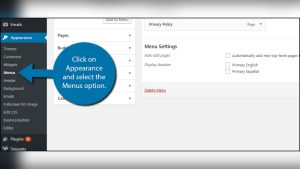
Reinstalling a parent theme on WordPress can fix many issues. Begin by accessing your WordPress dashboard. Navigate to “Appearance” and select “Themes. ” From there, deactivate the current theme, then delete it. Finally, reinstall the parent theme by uploading a fresh copy from your computer.
Resolving Installation Errors
Installation errors can be frustrating. First, check your internet connection. A weak signal may cause issues. Verify the theme file is complete. Incomplete files lead to errors. Use a reliable source for downloads. Corrupt files can cause problems. Ensure your WordPress version is current. Outdated versions may conflict with themes. Disable plugins temporarily. Some plugins may hinder installation. Refresh the page and try again.
Handling Plugin Conflicts
Plugins sometimes clash with themes. Deactivate all plugins first. Activate them one by one. This helps identify the conflicting plugin. Update the plugin if outdated. New versions often fix bugs. Check for theme updates as well. Developers release updates to solve issues. Contact support if conflicts persist. They can provide specific solutions. Consider using a staging site. Test changes there before applying them live.
Maintaining Your WordPress Theme
Keeping your WordPress theme up-to-date is crucial. Updates bring new features. They also fix old bugs. Always check for theme updates. Visit your dashboard often. Look for update notifications. Click to update when you see one. This keeps your site safe. It also makes your theme work better.
A slow site can frustrate visitors. It can drive them away. Check your site’s speed. Use free tools like Google PageSpeed. These tools give you a score. They show you what to fix. Make changes if your site is slow. This helps keep users happy. Happy users stay longer.

Credit: mhthemes.com
Frequently Asked Questions
How Do I Reinstall A Parent Theme In WordPress?
To reinstall a parent theme, first, download the theme from its source. Next, navigate to your WordPress dashboard, go to Appearance > Themes, and click ‘Add New. ‘ Upload the theme file and activate it. Ensure you backup your site before making changes to avoid data loss.
Can Reinstalling A Theme Affect My Website?
Reinstalling a theme can affect your website if not done carefully. Always back up your site before reinstalling. Customizations made directly to the parent theme may be lost. Use a child theme for customizations to prevent losing changes during theme updates or reinstallation.
Why Is My WordPress Theme Not Working Properly?
Themes may malfunction due to conflicts with plugins or outdated files. Reinstalling the theme can fix these issues. Ensure all plugins and WordPress are updated. Deactivate plugins to identify conflicts. If the problem persists, reinstall the theme or contact the theme developer for support.
Is It Safe To Reinstall A WordPress Theme?
Yes, it is generally safe to reinstall a WordPress theme. However, always back up your website first. Use a child theme for customizations to prevent losing changes. Reinstalling can resolve issues caused by corrupted files or updates. Ensure you have the latest theme version before reinstalling.
Conclusion
Reinstalling a parent theme on WordPress can be straightforward. Follow the steps carefully. Keep your site backed up for safety. Understand the process before starting. Use WordPress dashboard for easy navigation. Be patient during the installation. Check compatibility with plugins and child themes.
This ensures your site functions well. Regular updates help maintain security. Stay informed on WordPress changes. Troubleshoot issues quickly for smooth operation. Enjoy a refreshed theme without losing content. A well-installed theme enhances your site’s performance. Keep learning to manage your WordPress effectively.
Happy blogging with your newly installed parent theme!