Have you ever wondered how websites are available to you at the click of a button? The answer often lies in a powerful technology known as cloud web hosting.
It’s a term you might have heard buzzing around in tech conversations, but what does it really mean for you and your online presence? If you’re looking to launch a website or improve an existing one, understanding cloud web hosting is crucial.
It’s more than just a storage solution; it’s a gateway to performance, reliability, and scalability for your digital needs. Imagine having the flexibility to grow your website effortlessly as your audience expands, without the fear of crashing during peak times. Intrigued? Dive into this article to uncover how cloud web hosting can be a game-changer for your online success.
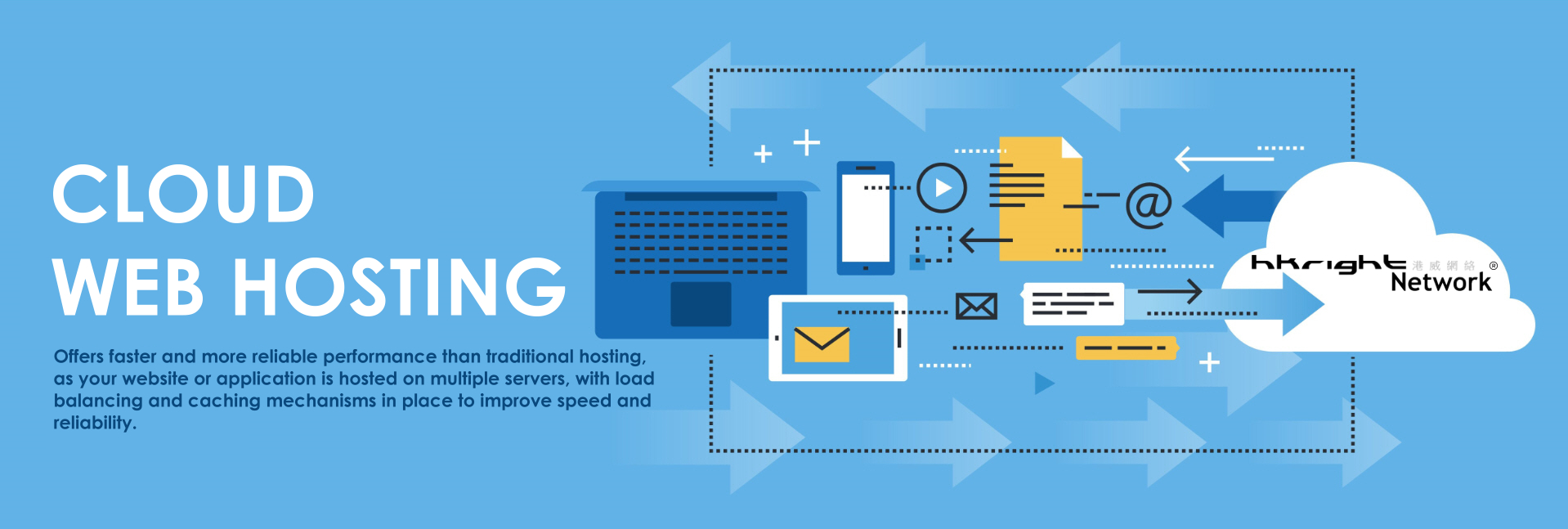
Credit: www.hkright.com
Cloud Hosting Basics
Cloud hosting is a type of web hosting. It uses many servers to balance the load. This means your website uses a network of servers. These servers work together as one. Data is stored on multiple servers. If one server fails, others step in. This makes cloud hosting very reliable. It is also flexible. You can scale up or down easily. This means you can add more resources if needed. Cost is based on what you use. So, you only pay for what you need. This can save money in the long run.
Cloud hosting uses a network of servers. These servers are in different places. They connect through the internet. When you access a website, it pulls data from these servers. The load is balanced among servers. This makes it fast and efficient. If one server is busy, another server helps. This means the website is always available. Cloud hosting is like sharing a task with friends. Each friend helps a little, so the work gets done quicker. It is safe and reliable.
Benefits Of Cloud Hosting
Cloud hosting offers easy scalability. You can add resources as needed. This means your site can handle more traffic. There is no need for big changes. Flexibility allows you to choose different options. You can adjust your plan anytime. This helps meet your needs without hassle.
Cloud hosting is cost-effective. You pay only for what you use. No need for buying extra equipment. This saves money. It is ideal for small budgets. You can manage costs easily. It makes hosting affordable for everyone.
Cloud hosting improves website performance. It ensures fast loading times. Your site stays online with less downtime. Visitors get a smooth experience. It is reliable and secure. Your data is stored safely. This boosts user satisfaction.
Security In Cloud Hosting
Cloud web hosting stores your data on multiple servers, ensuring reliability and scalability. Security in cloud hosting protects your information from unauthorized access and cyber threats. Utilizing encryption and firewalls, cloud hosting offers a secure environment for your website.
Data Protection
Cloud hosting keeps your data safe. It uses strong security measures. Your files stay private. Hackers find it hard to break in. Data is stored in multiple locations. This helps prevent loss. Firewalls and encryption protect your data. Cloud hosting companies work hard to keep your data secure.
Compliance And Regulations
Cloud hosting follows rules and laws. It needs to meet specific standards. This is important for safety. Companies must comply with these regulations. They must protect your data. Cloud services often pass tests. These tests check if they follow the rules. This helps build trust. Users can feel confident. Their data is in safe hands.

Credit: verpex.com
Comparing Cloud Hosting To Traditional Hosting
Cloud web hosting offers flexibility and scalability, using multiple servers to balance load. Traditional hosting relies on a single server. Cloud hosting adapts to traffic changes, ensuring consistent performance.
Differences In Infrastructure
Cloud hosting uses many servers. Traditional hosting uses one server. This makes cloud hosting more flexible. You can add more space easily with cloud hosting. Traditional hosting is limited to one server’s space. Cloud hosting can handle more visitors at once. Traditional hosting might struggle if visitors increase suddenly.
Performance Comparison
Cloud hosting offers better performance. It can handle many tasks at the same time. This makes websites load faster. Traditional hosting can be slower. One server handles all tasks. If the server is busy, websites may load slowly. Cloud hosting is often more reliable. If one server fails, others keep working. This reduces downtime. Traditional hosting can have more downtime if the server has issues.
Choosing The Right Cloud Hosting Provider
Scalability is very important. It helps your website handle more visitors. Uptime is another key feature. This means your website is always online. Security is also crucial. It keeps your data safe. Support is vital, too. You need help when things go wrong. Pricing can vary. You should check for hidden costs. Ease of use matters as well. It should be simple to manage.
| Provider | Main Feature |
|---|---|
| AWS | Flexible and powerful |
| Google Cloud | Strong data tools |
| Microsoft Azure | Great for businesses |
| IBM Cloud | Good for AI solutions |
Future Of Cloud Hosting
Cloud hosting is growing fast. People use it more each day. It helps websites run smoothly and fast. More companies are moving to the cloud. They want to stay updated and secure.
New trends are appearing in cloud hosting. Green computing is one of them. Companies want to save energy. They also want to be friendly to nature. Another trend is serverless computing. It helps reduce costs. It also makes things easier for developers.
Cloud hosting can help businesses grow. It offers scalability and flexibility. Companies can adjust their resources quickly. This saves time and money. It also helps them serve more customers.
Data safety is another benefit. Cloud hosting provides strong security. It protects important information from hackers. This builds trust with customers. Businesses can focus on what they do best.

Credit: www.sectorlink.com
Frequently Asked Questions
What Is Cloud And Web Hosting?
Cloud hosting uses a network of virtual servers to store and manage data. Web hosting stores website files on a single server, making them accessible online. Both services enable websites to be available on the internet, but cloud hosting offers more scalability and reliability.
What Is The Difference Between Cloud Hosting And Normal Hosting?
Cloud hosting uses multiple servers for resources, enhancing scalability and reliability. Normal hosting relies on a single server, limiting scalability.
Who Needs Cloud Hosting?
Businesses needing scalability and reliability benefit from cloud hosting. It’s ideal for e-commerce, startups, and enterprises seeking flexible resources. Cloud hosting suits those requiring high uptime, security, and performance. Developers and tech-savvy companies often choose it to manage applications efficiently.
It supports growth and adapts to changing demands seamlessly.
Is Godaddy A Cloud Hosting?
GoDaddy offers cloud hosting services, providing scalable and flexible hosting solutions. Their cloud hosting features include virtual servers, reliable uptime, and custom configurations. This makes them a suitable choice for businesses seeking adaptable hosting options.
Conclusion
Cloud web hosting offers flexibility and scalability for businesses. It adapts to your needs. Resources are shared across multiple servers. This ensures high uptime and reliability. Costs are often lower than traditional hosting. It’s a great option for growing businesses.
Security is a key feature, protecting your data. Easy to manage with user-friendly interfaces. Suitable for various website types. Cloud hosting is future-ready. A smart choice for many users. Explore your options today. Make an informed decision. Embrace the benefits of cloud hosting.
Enjoy peace of mind with this solution.