Imagine you’re about to build a website with WordPress. You might have heard the term “technology stack” thrown around, but what does it really mean in this context?
Understanding the technology stack for WordPress is crucial for anyone looking to optimize their site and ensure it runs smoothly. It’s the backbone that supports everything from your site’s functionality to its performance. As you dive deeper into this topic, you’ll discover how each component of the stack plays a pivotal role.
You’ll gain insights into the server, the database, and the programming languages that work harmoniously to bring your WordPress site to life. By understanding these elements, you’ll be better equipped to make informed decisions that can enhance your website’s efficiency and user experience. Stick around, and you’ll soon master the essentials of a WordPress technology stack, empowering you to create a site that truly stands out.
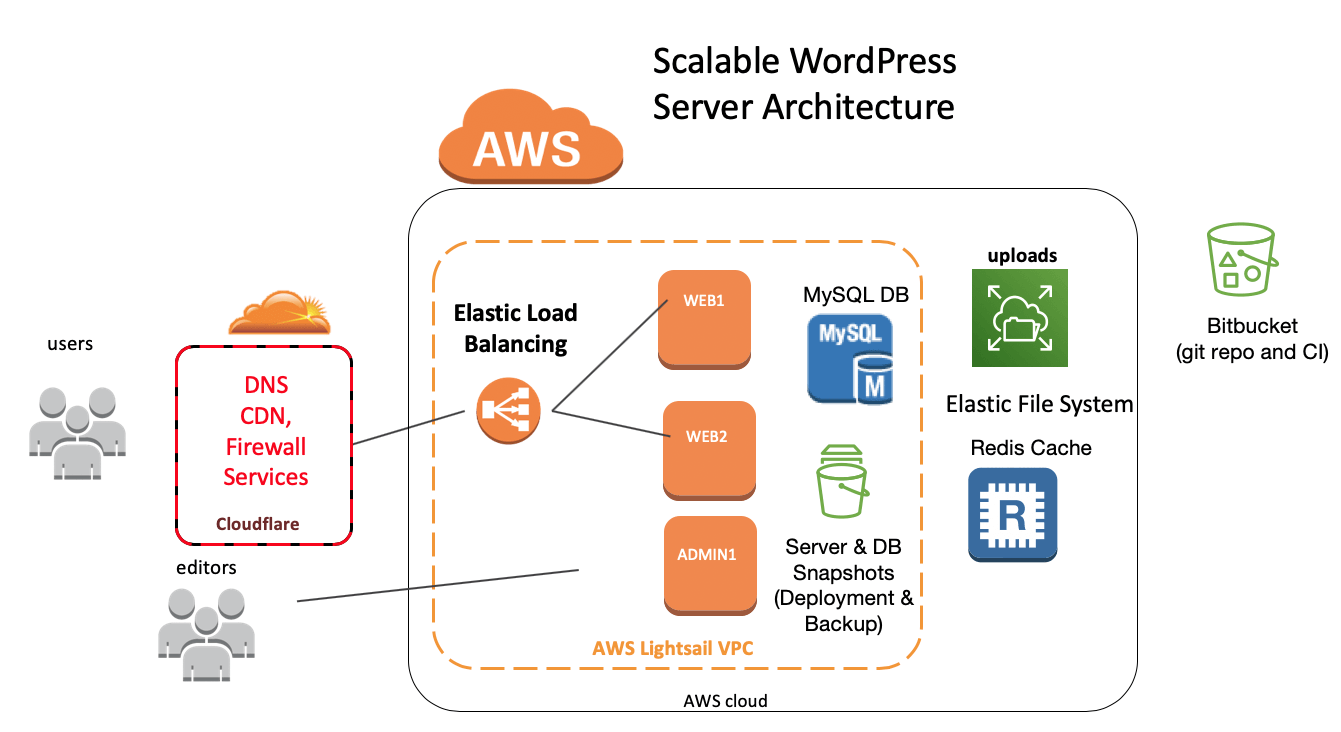
Credit: discourse.roots.io
Technology Stack Basics
A technology stack is a set of tools. These tools help build websites. WordPress uses a popular stack. This stack includes PHP, MySQL, and Apache. PHP is a programming language. It helps create dynamic pages. MySQL is a database system. It stores website data. Apache is a web server. It delivers web pages to users. These tools work together. They create a strong foundation. Developers can build websites easily. WordPress is flexible. It supports many plugins and themes. This allows customization. Users can change their website looks. They can add new features too. The stack is open-source. This means anyone can use it. It’s free and has a big community.
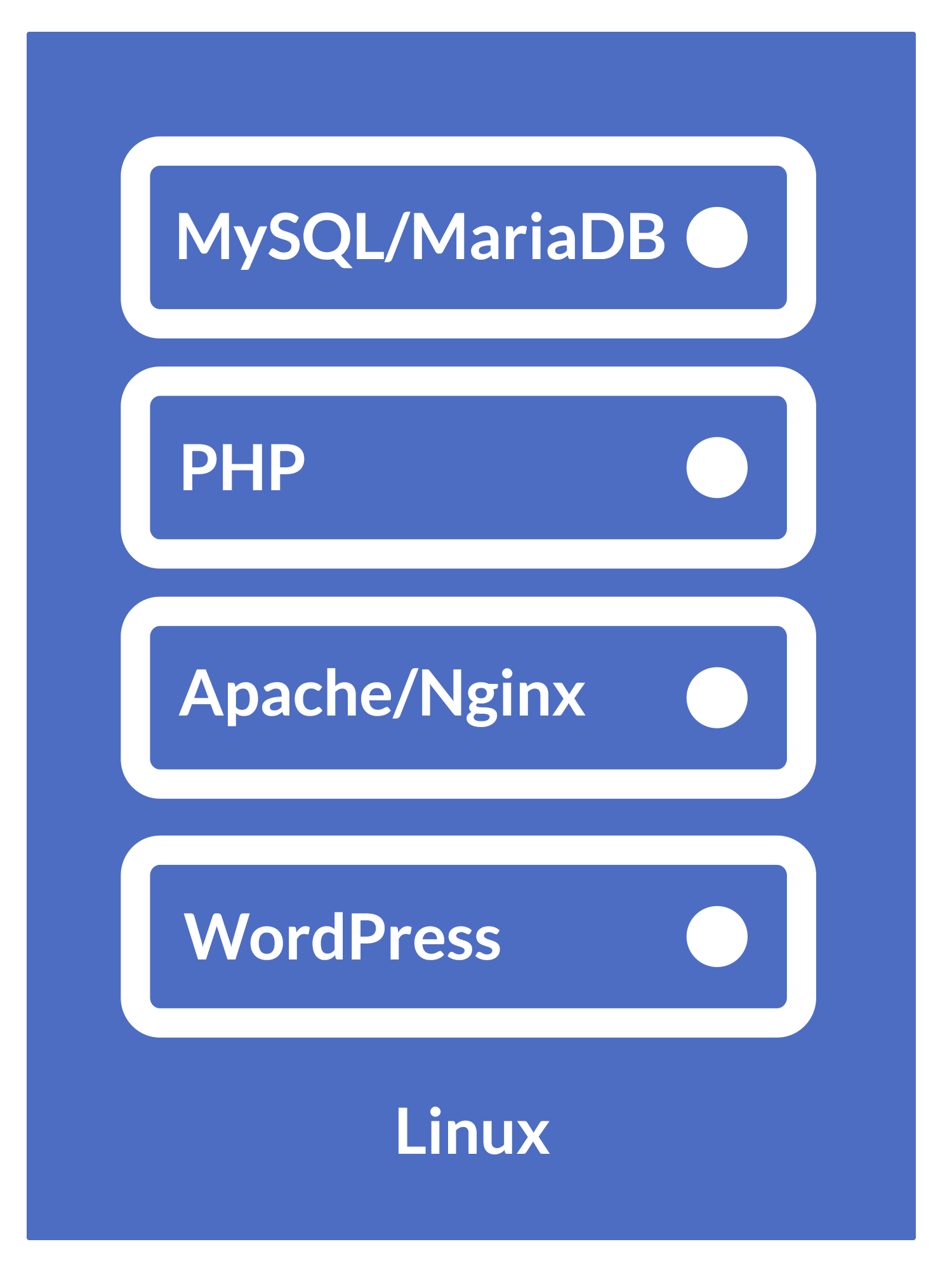
Credit: blog.wplauncher.com
WordPress Core Technologies
PHP is the brain of WordPress. It makes things work. Without PHP, WordPress cannot run. PHP takes care of tasks. It handles user requests. The web pages are created using PHP. It is a server-side language. This means it works on the server. PHP is important for WordPress themes. It helps plugins work. PHP makes WordPress dynamic. It changes content based on users.
MySQL stores all the data. It keeps posts, comments, and user info safe. MySQL is like a big library. It organizes data in tables. Each table holds different types of info. WordPress uses MySQL to find data fast. It helps in retrieving data quickly. MySQL keeps data secure. It makes sure data is not lost.
HTML builds the structure. It creates the skeleton of web pages. CSS styles the pages. It adds colors and fonts. CSS makes the website look nice. JavaScript adds action. It makes pages interactive. JavaScript helps with animations. It makes buttons work. Together, HTML, CSS, and JavaScript make websites fun and lively.
Web Server Requirements
Apache and Nginx are two popular web servers. They help load websites. Apache is easy to set up. It works well with many applications. Nginx is fast. It is great for handling heavy traffic. Both can run WordPress. They support different needs. Choose based on your site’s needs. Some use Apache for its simplicity. Others pick Nginx for its speed. Both are reliable choices.
Hosting is where your website lives. It needs to be stable. Shared hosting is cheap. It is good for small sites. VPS hosting offers more control. It is better for bigger sites. Dedicated servers give full control. They are costly but powerful. Think about your site’s size. Check the cost and features. Always choose a trusted host.
Content Management System
WordPress lets you change how your site looks. You can use themes to do this. Themes are like clothes for your site. They make it look pretty. You can pick one you like best.
Plugins add special features to your site. Some plugins help make your site fast. Others help keep it safe. You can add plugins to do many things. This makes WordPress very flexible.
Changing your site is easy. You can do it without code. WordPress has a simple tool. This tool is called a customizer. It lets you change colors and fonts. You can also move things around.
With WordPress, you have many options. You can make your site look just right. This helps your site stand out. It also makes your site special for your needs.
Security And Maintenance
WordPress needs regular updates for safety. Hackers look for old versions. Updates fix bugs. They add new features too. Always use the latest version. It keeps your site safe. Updates are easy. Click a button, and it’s done. No coding needed. Make updates a habit.
Security plugins are very important. They protect your site. Wordfence and Sucuri are popular. They block attacks. They scan for threats. Some plugins are free. Others cost money. Choose plugins wisely. Read reviews first. Good plugins keep your site safe.
Scalability And Performance
Caching makes your website load faster. It saves data for quick access. This reduces server load. Faster websites keep users happy. Caching plugins help WordPress sites. They store static content. Pages load quickly without extra work.
A CDN, or Content Delivery Network, helps deliver content fast. It uses servers around the world. They store and deliver website files. Users get content from the nearest server. This means faster load times. CDNs also reduce server load. Websites become more reliable and consistent.
Community And Support
WordPress technology stack combines web technologies like PHP, MySQL, and JavaScript. It powers websites effectively. This stack ensures smooth content management and user-friendly interfaces.
Developer Community
The WordPress developer community is very large. Many people help each other. They share tips and tricks. This makes learning easier. New developers feel welcome. They can ask questions. They can get answers quickly. This helps them grow fast.
User Forums
User forums offer support and advice. People share their problems. Others help them solve these. Many topics are covered. This includes design, plugins, and themes. These forums are a great resource. They connect users with similar issues. Everyone benefits from shared knowledge.

Credit: www.linkedin.com
Frequently Asked Questions
What Is A Technology Stack In WordPress?
A technology stack in WordPress consists of the software and tools used to build and run a WordPress site. It typically includes a web server, programming language, database, and front-end technologies. These components work together to deliver a seamless website experience.
Why Is WordPress Technology Stack Important?
The WordPress technology stack is crucial for website performance and functionality. It determines how efficiently your site runs, its scalability, and security. A well-chosen stack ensures your WordPress site is fast, reliable, and adaptable to future needs.
Which Components Make Up WordPress’s Technology Stack?
WordPress’s technology stack primarily includes PHP as the programming language, MySQL for the database, and Apache or Nginx as the web server. Additionally, it relies on HTML, CSS, and JavaScript for front-end development, ensuring a dynamic and interactive user experience.
How Does WordPress Benefit From Its Technology Stack?
WordPress benefits from its technology stack by offering flexibility, scalability, and ease of use. The stack’s components are open-source and widely supported, fostering a large community of developers. This ensures continuous improvements, security updates, and a wealth of plugins and themes.
Conclusion
Understanding the technology stack of WordPress helps in efficient website creation. This stack includes vital components. It ensures seamless integration and performance. Knowing the stack can ease troubleshooting. It provides a solid foundation for customization. Developers often rely on this stack for building robust sites.
The technology stack simplifies complex processes. It supports diverse plugins and themes. Always keep it updated for security and functionality. This stack is essential for WordPress success. Embrace its power for better site management. Your site’s backbone starts here.