Are you curious about how websites work and why they load the way they do? Understanding the difference between a host server and a web server can give you valuable insights into the backbone of the internet.
Imagine knowing what happens behind the scenes every time you click on a link or type in a URL. By grasping these concepts, you can unlock a clearer picture of the digital world, enhancing your online experience and maybe even your business strategies.
You’ll dive into what host servers and web servers are, how they function, and why they are crucial for websites to operate smoothly. Whether you’re a tech enthusiast or someone just wanting to learn more, this knowledge can empower you to make smarter choices online. Keep reading to discover the vital roles these servers play in delivering the content you see on your screen every day.

Credit: en.wikipedia.org
Host Server Basics
A host server is a computer. It stores data and programs. Users access these over the internet. Host servers are like big storage boxes. They hold lots of files. This includes websites, emails, and databases. Each host server has a unique address. This helps find it on the web.
Host servers have a special job. They make sure websites are always online. They also run programs and store data. This helps users access information anytime. Host servers are very important for the internet. Without them, websites would not work.
| Type | Description |
|---|---|
| Shared Server | Many websites share one server. |
| Dedicated Server | Only one website uses the server. |
| VPS (Virtual Private Server) | Acts like a personal server, but shared. |
| Cloud Server | Uses many servers for better performance. |
Web Server Essentials
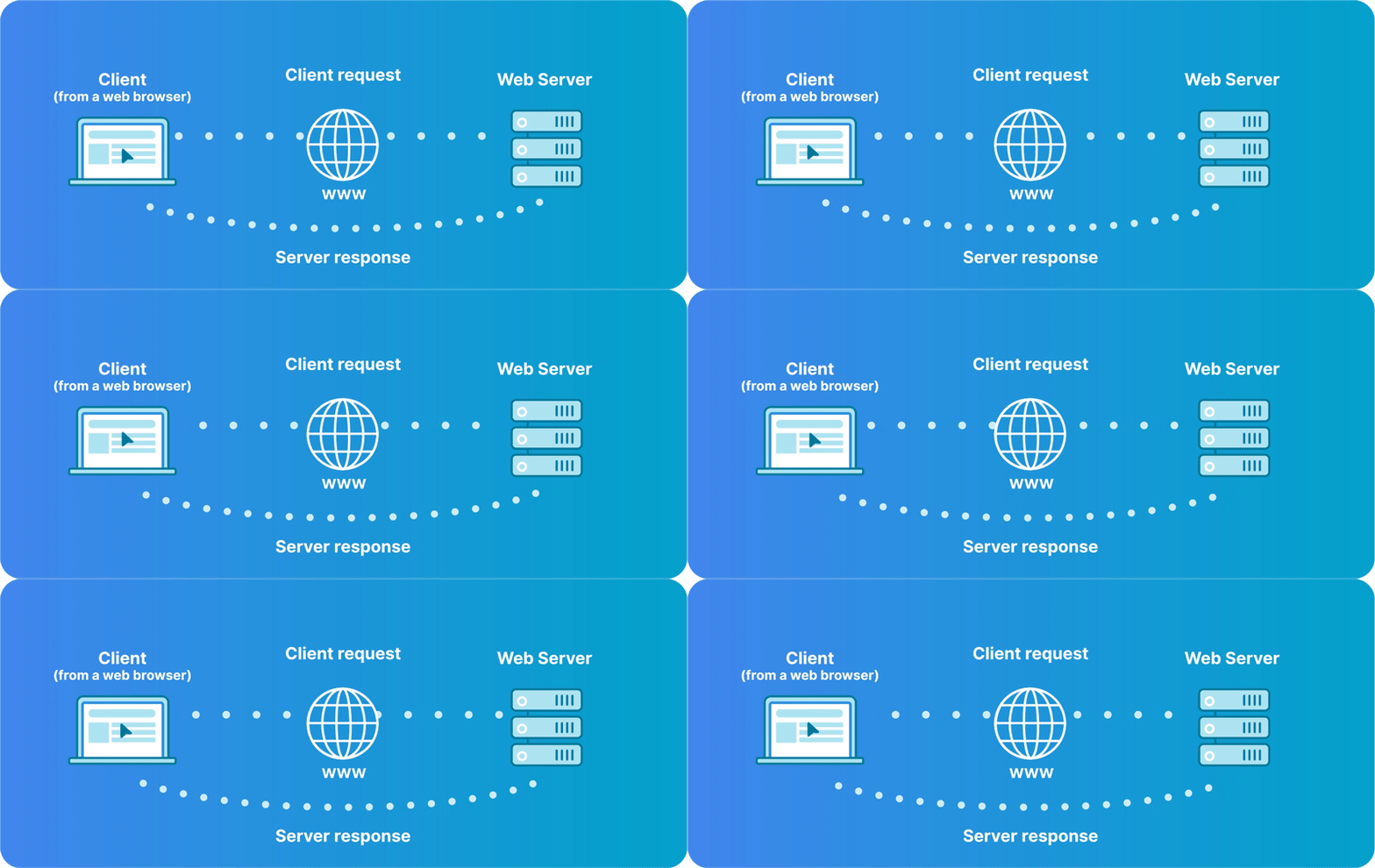
A web server stores and delivers web pages. It uses a network connection to send pages to users. These pages can be HTML files, images, or scripts. Users request pages through a web browser. The server then responds to these requests. It finds the page and sends it back. This process happens very fast.
There are many popular web servers. Apache is one of the most common. It is open-source and free. Another popular choice is Nginx. It is known for handling many requests. Microsoft’s IIS is also widely used. Each server has its own features. They help websites run smoothly. Choosing the right one depends on the needs of your website.
Key Differences
Host servers are computers that store websites and data. They make sure the data is available online. They are like big digital warehouses. Web servers deliver web pages to users. They are like digital waiters serving websites. Both work together in network architecture.
Role In Network Architecture
In network architecture, host servers store data. They keep it safe and organized. Web servers send this data to users. They make sure users see the right web pages. Host servers are the base of the network. Web servers are the bridge between users and data.
Resource Allocation
Host servers manage resources like storage and memory. They handle large amounts of data. Web servers focus on delivering data quickly. They need fast processing power. Host servers ensure data is secure. Web servers ensure data reaches users efficiently.

Credit: www.geeksforgeeks.org
Use Cases
Host servers are like homes for data. They store and manage files. Companies use them to keep their data safe. Virtualization is another use. It lets one server do the work of many. This saves space and money. Host servers also run databases. These are like digital filing cabinets. They help keep data organized.
Another use is for email services. This helps people send and get emails. They also support remote desktops. This lets people work from anywhere. Host servers help in many ways.
Web servers make websites work. They send web pages to your computer. When you click a link, a web server sends the page. Hosting websites is a big job for them. They make sure websites are always up. Web servers also run web apps. These are like special programs on websites.
They help people do things online. Load balancing is another task. This means sharing the work between servers. This helps websites stay fast. Web servers are very important.
Choosing The Right Server
Understanding the difference between host servers and web servers is essential. Host servers store website files and data, providing access to your website. Web servers handle requests from browsers, delivering web pages to users efficiently. Selecting the right server ensures smooth website performance and reliability.
Performance And Scalability
Performance is key for any server. It affects how fast tasks get done. A host server manages several websites. It can slow down if overloaded. A web server handles web traffic. It must be fast to serve pages quickly. Choose wisely based on your needs.
Scalability means growing with demand. If your site grows, your server must keep up. A host server can add more resources. But a web server can scale to handle more visitors. Think about future growth when choosing your server.
Future Trends
New technology is changing host and web servers. Cloud computing is making servers faster. Artificial Intelligence helps servers work better. It fixes problems before they happen. 5G will make servers even quicker. This means faster internet for everyone. Security is also improving. New tools keep data safe. This is important for everyone.
Businesses will see big changes. Faster servers help companies work faster. Better security protects their data. This means less risk. Lower costs make it easier for small companies. They can compete with big companies. Remote work will grow. People can work from anywhere. This is good for workers and companies. They save time and money.
Credit: www.liquidweb.com
Frequently Asked Questions
What Is The Difference Between A Web Server And A Hosting Server?
A web server processes requests and delivers web pages to users. A hosting server provides storage and resources for websites. Both work together to make websites accessible online.
What Is The Difference Between A Host And A Server?
A host is a device or computer connected to a network, while a server is software or hardware providing services to clients. Hosts can include servers, but not all hosts are servers. Servers specifically manage network resources, data, or applications.
This distinction is crucial for understanding network roles.
What Is Meant By Hosting Server?
A hosting server stores and manages websites, enabling them to be accessible online. It provides resources like storage, bandwidth, and security. Reliable hosting ensures fast loading times and uptime. Selecting the right server boosts website performance and user experience, enhancing visibility and SEO rankings.
What Is The Difference Between Hosting And Website?
Hosting stores website data on servers, making it accessible online. A website is the collection of web pages users see.
Conclusion
Understanding host servers and web servers is essential. Host servers store data and applications. Web servers deliver web pages to users. Both play vital roles in website functionality. Choosing the right server depends on your needs. Consider storage, speed, and scalability.
Evaluate your website’s demands for optimal performance. With this knowledge, make informed decisions. Better choices lead to improved user experience. A solid server foundation ensures a smooth online presence. Always keep your website’s growth in mind. Select wisely for lasting success.