Imagine transforming your WordPress site into a unique masterpiece that reflects your style and vision. Creating a custom theme might sound daunting, but it’s easier than you think.
You don’t need to be a coding genius or a tech wizard. With a few simple steps, you can craft a theme that stands out, attracts visitors, and makes your website unforgettable. Why settle for generic designs when you can create something that truly represents you and your brand?
This guide is designed with you in mind—simple, straightforward, and packed with tips to help you succeed. Whether you’re looking to enhance your business website or personalize your blog, the journey to a custom WordPress theme starts here. Ready to unlock the potential of your website and captivate your audience? Let’s dive in and explore how you can make your WordPress theme uniquely yours.
Credit: www.wpzoom.com
Getting Started With WordPress Themes
WordPress themes change your site look. They control layout and design. A theme has many parts. Templates decide page structure. Stylesheets define colors and fonts. Images and scripts add more features. Themes let you make your site unique. You can use free themes or paid ones. Some themes are simple. Others have many options. Choose a theme that fits your needs.
Tools help make custom themes. WordPress is one tool. It is very popular. Code editors are useful too. They help edit theme files. Some people use Photoshop for design. Others use online tools. You need a good tool to build themes. Pick tools that you find easy. Learn how they work. This makes theme creation fun.
Credit: www.youtube.com
Setting Up Your Development Environment
First, download WordPress from the official website. Use a local server like XAMPP or WAMP. Install it on your computer. These servers help you run WordPress locally. Follow the setup instructions carefully. Place the WordPress files in the htdocs folder. Create a new database for WordPress. Use phpMyAdmin to manage it. Now, run the installation script. Enter all required details. Set your admin username and password. This step is important for security. Finish the setup. Now, WordPress is ready locally.
Choose a code editor to write your theme. Popular ones are VS Code and Sublime Text. They are easy to use. Download and install your chosen editor. Open your WordPress folder in the editor. This makes editing files simple. Code editors have features like syntax highlighting. They help you see code clearly. Some have extensions to make coding easier. Pick the one you like best. It should feel comfortable to use.
Debugging tools help find errors in your theme. Xdebug is a popular tool. It works with many editors. Install it with your local server. Set up breakpoints in your code. They help you check code line by line. Use the editor to start debugging. This helps find and fix mistakes. Debugging makes your theme work better. It saves time in the long run. Learning to debug is very useful. It helps improve your coding skills.
Creating Your Theme Files
To build a WordPress theme, you need some essential files. The index.php is key; it’s the main file. The style.css file gives your theme its look. Don’t forget the functions.php. It adds features to your theme. These files work together to make your theme unique.
CSS changes how your theme looks. You use CSS to set colors, fonts, and layouts. Put your styles in the style.css file. This file controls the whole theme’s design. Little changes can make a big difference. Try different styles to find the best look.
JavaScript adds fun to your theme. It creates effects like sliders and pop-ups. Put JavaScript code in files like scripts.js. Connect these files to your theme using the functions.php file. JavaScript makes your theme interactive and exciting.
Building The Theme Structure
Headers sit at the top of a webpage. They often contain logos and menu items. Footers are at the bottom. They hold contact details and links. Both parts are important for navigation. Design these parts to look clean and simple. Make sure users can find what they need easily.
Page templates decide how pages look. You can make them for blogs, galleries, or products. Each template should match the site’s style. Use HTML and CSS to build these templates. This makes pages unique and special.
Widgets are tools in sidebars. They show extra content like recent posts or ads. Widgets help users find more information. Add widgets that are useful and fun. Keep the sidebar neat and organized. This makes browsing easier for everyone.
Implementing Theme Features
Adding custom menus is easy in WordPress. First, go to your theme’s functions file. Add the code to support custom menus. Use register_nav_menus() function. This function helps to create menu locations. Then, add menus in the WordPress admin panel. Users can easily change menus from there.
To integrate theme options, create an options page. Use add_menu_page() function for this. This page lets users change theme settings. Settings can include colors and fonts. Save these settings in the WordPress database. Users can then see changes on their site.
The Theme Customizer API is powerful. It allows live theme editing. Use add_action('customize_register') to add customizer options. With this, users can preview changes. They can change colors, fonts, and layouts easily. The changes show live on the site.
Credit: smashballoon.com
Testing And Debugging
Creating a custom theme in WordPress involves testing and debugging to ensure functionality. Debugging helps identify errors, while testing checks design compatibility across devices and browsers. This process ensures a seamless and user-friendly experience.
Running Compatibility Checks
Ensure your theme works with all plugins. Check if your theme is responsive. Test on different devices and browsers. Check for JavaScript errors in your console. Use WordPress tools for compatibility testing. Make sure your theme is SEO-friendly. Run a site speed test.
Debugging Common Issues
Identify bugs quickly. Enable WordPress debug mode. Look for error logs in your dashboard. Fix PHP errors. Check CSS for display issues. Make sure images load properly. Test links for broken paths. Regularly update your theme.
Optimizing For Performance
Improve loading speed. Minimize CSS and JavaScript files. Use caching plugins. Reduce server requests. Optimize images for faster load times. Remove unused code. Check database for slow queries. Test with performance tools.
Preparing For Theme Deployment
SEO is vital for your theme’s success. Use meta tags wisely. Add alt text to images. Ensure fast load times. Compress images for speed. Use clean code to improve visibility. Avoid duplicate content. Check for broken links. Use keywords naturally. Sitemap helps search engines. Test with SEO tools.
Mobile users are many. Your theme must be responsive. Use flexible layouts. Test on multiple devices. Ensure buttons are clickable. Text must be readable. Images should scale properly. Navigation must be easy. Touch gestures should work. Speed matters on mobile. Design should be simple.
Review all your code. Check for errors. Ensure HTML is valid. Test CSS styles. Look for JavaScript bugs. Remove unused code. Check comments for clarity. Ensure functions work well. Security is key; check vulnerabilities. Backup your theme files.
Deploying Your Custom Theme
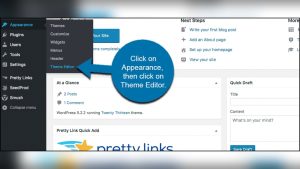
First, open your WordPress dashboard. Navigate to Appearance, then click Themes. At the top, find the button labeled Upload Theme. Click it. Select your ZIP file of the theme. Finally, click Install Now. WordPress will upload and install your theme.
After installation, you will see a button to Activate the theme. Click it. Now your theme is live. Go to Appearance and then Customize. Here, change settings to fit your needs. Adjust colors, fonts, and layouts. Make your site unique and personal.
Listen to what users say about your theme. Feedback is important. It helps you improve. Check for updates often. Keep your theme secure and fresh. Updates fix bugs and add features. Your site will run smoothly. Stay ahead with the latest changes.
Frequently Asked Questions
How To Create An Own Custom Theme In WordPress?
To create a custom WordPress theme, start by setting up a local development environment. Code using HTML, CSS, and PHP. Use WordPress theme hierarchy for structure. Implement responsive design and test across devices. Finally, upload your theme to WordPress and activate it.
How Do I Create A Custom Setting In WordPress?
To create a custom setting in WordPress, use the Settings API. Register your setting using `register_setting()`. Add sections and fields with `add_settings_section()` and `add_settings_field()`. Create a settings page using `add_menu_page()`. Customize your settings in the WordPress admin area efficiently.
Why Can’t I Customize My WordPress Theme?
You might lack the necessary permissions or the theme itself may not support customization. Check theme settings and ensure you have appropriate user roles. Consider using a child theme or consult the theme’s documentation for guidance.
How Do I Create A Custom Css Theme In WordPress?
To create a custom CSS theme in WordPress, use the “Additional CSS” in the Customizer. Navigate to Appearance > Customize, then select “Additional CSS” to add your custom code. Save changes to apply your theme. Utilize a child theme for complex modifications to avoid losing changes during updates.
Conclusion
Creating a custom theme in WordPress is both exciting and rewarding. You gain control over design, functionality, and user experience. Start small, experiment, and learn from each step. Don’t rush the process; take your time. Use resources like forums and tutorials for guidance.
Ask questions when you’re stuck. Practice makes perfect, so keep improving your skills. Your unique theme can enhance your website’s appeal. Enjoy the journey of creativity and problem-solving. Soon, you’ll have a personalized WordPress theme that reflects your vision. Happy designing!