Are you looking to give your WordPress website a personal touch? Learning how to edit your WordPress theme with HTML can be your ticket to a more customized online presence.
Imagine having the power to tweak and tailor your site’s appearance to perfectly match your vision. It’s simpler than you might think, and you don’t need to be a coding wizard to get started. In this guide, you’ll discover straightforward tips to help you navigate the world of HTML editing within WordPress.
We’ll walk you through the essentials, ensuring you feel confident and empowered to make changes that truly resonate with your brand. Keep reading, and you’ll soon unlock the potential to transform your website into something uniquely yours.

Credit: kinsta.com
Preparing Your Workspace
Setting up your workspace is essential for editing HTML in WordPress themes. Organize your tools and files for easy access. Keep a backup before making changes to ensure safety.
Backup Your Site
Backing up your site is very important. It saves your work from loss. Use a plugin to create a backup. Store the backup safely. Keep it on your computer or cloud. You can easily restore if needed. Regular backups keep your site secure.
Set Up A Child Theme
Child themes are great for editing safely. They protect your main theme. Create a child theme to customize your design. It helps keep your changes even after updates. Use WordPress tools to make a child theme. You can find guides online to assist.
Credit: www.youtube.com
Accessing Theme Files
Editing a WordPress theme through HTML involves accessing theme files via the WordPress dashboard or FTP. Locate the desired file and carefully make changes to the code. Always create a backup before editing to prevent data loss or errors.
Using WordPress Dashboard
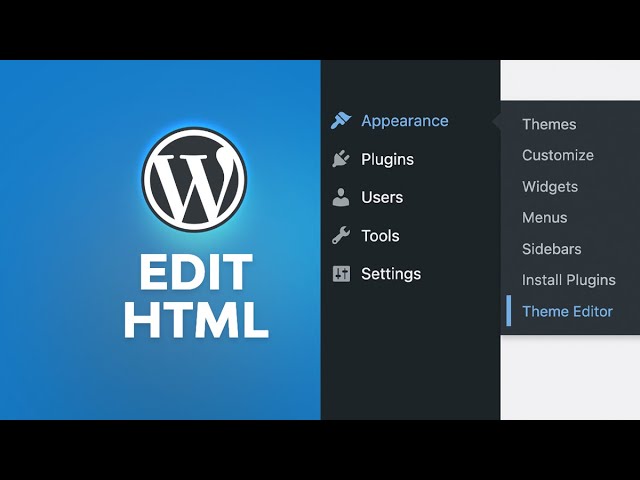
Access theme files through the WordPress Dashboard. First, log in to the dashboard. Next, find the Appearance tab. Click on Editor under the Appearance tab. Here, you will see theme files. You can edit files directly. Always make a backup before changes. Mistakes can break your site.
Access Via Ftp
FTP lets you view and edit theme files. First, install an FTP client on your computer. Then, enter your site details. Host, username, and password. You will see your site files. Find the wp-content folder. Inside, locate the themes folder. Open it to see theme files. Always make a backup before editing.
Editing Html Files
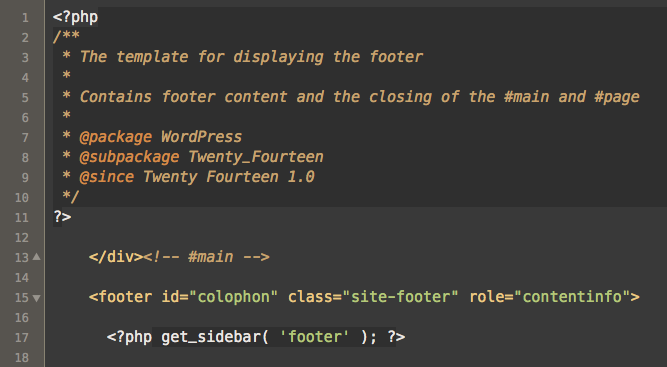
To edit a WordPress theme, find the right files first. The main files are header.php, footer.php, and style.css. These files control the look of your site. Use a File Manager or FTP to access them. They are usually in the theme folder. Make a backup before editing. This keeps your site safe. Find the files under wp-content/themes. Open them with a text editor.
Start by opening the files you need. Use simple code to make changes. For example, change a title or paragraph. Always save changes. Check your site for errors. If something breaks, revert to your backup. Keep changes small at first. This helps you learn. Remember to test on different devices. Ensure everything looks good. Finally, clear your cache to see updates.
Testing Your Changes
Always check your changes. Use the WordPress Customizer for this. It shows live previews. This helps to spot errors quickly. After editing, click Preview. This will show the new look. Make sure everything works. Check buttons, links, and images. They should function properly. If something looks odd, go back and fix it. Testing helps keep your site professional. A small mistake can cause big problems. So, take your time and ensure everything is perfect.
Sometimes, changes don’t appear. This can be frustrating. Clear your browser’s cache to fix this. Refreshing the page might help too. If the problem stays, check your code. Look for typos or missing tags. These can break your site. Sometimes, plugins cause issues. Deactivate them one by one. This helps find the troublemaker. Always back up your site. It’s important before making changes. This way, you can restore if needed.
Enhancing With Custom Html
Add custom elements to make your website special. Use HTML to add buttons, images, or text. These elements can make your site unique. Use simple code to add these things. Write code carefully to avoid mistakes. Check your work to see how it looks. Use a preview to see changes before saving. This helps keep your site looking good. You can change the style of your elements too. Use CSS along with HTML for this. Mix HTML and CSS for a better design.
HTML snippets are small pieces of code. They add features to your site. These snippets can be found online. Many websites share useful snippets. Copy them and paste into your theme. Make sure the snippets work with your theme. Some snippets may not fit well. Test them to see if they fit. Use snippets to add things like sliders, forms, or animations. They can make your site more fun. Keep snippets short and neat. This helps your site load fast.
Maintaining Theme Edits
Updating a theme keeps your website secure and fast. Before you update, make a backup of your current theme. This helps if anything goes wrong. Use a child theme for changes. This way, updates don’t erase your edits. Always check for theme updates. They often fix bugs and add new features.
Write down all your edits. This makes it easy to track changes. Note which files you edit. Also, write why you made those edits. Keep this document safe. You might need it later.
Credit: thethemefoundry.com
Frequently Asked Questions
How Can I Edit WordPress Theme Html?
To edit your WordPress theme’s HTML, access the Theme Editor in your WordPress dashboard. Navigate to Appearance > Theme Editor. Here, you can modify template files like header. php, footer. php, or single. php. Always backup your theme files before making changes to avoid potential issues or data loss.
Is It Safe To Edit Theme Html Directly?
Editing HTML directly can be risky if done incorrectly. Always create a child theme before making changes. This ensures your customizations remain intact during theme updates. Additionally, backup your website regularly to prevent data loss. Consider using a staging environment to test changes before applying them live.
What Tools Help In Editing WordPress Html?
Tools like FTP clients (FileZilla), code editors (Visual Studio Code), and browser developer tools are helpful. These tools assist in accessing, editing, and previewing your theme files. WordPress plugins like Elementor also offer user-friendly interfaces for making HTML changes without directly editing code.
Can I Edit WordPress Html Without Coding?
Yes, you can use WordPress page builders like Elementor or WPBakery. These tools allow for visual editing without needing to code. They offer drag-and-drop functionalities to customize your site’s appearance. However, for more advanced changes, some HTML knowledge might still be necessary.
Conclusion
Editing HTML in a WordPress theme can seem daunting. But it’s manageable. Understand the basics. Use a child theme to protect changes. Always backup your files first. This ensures you can recover if something goes wrong. Use a code editor for clarity.
It helps in spotting errors. Practice regularly to improve your skills. By doing so, you’ll gain confidence. Soon, you’ll customize your theme effortlessly. Remember, patience is key. Mistakes are learning opportunities. Keep experimenting. It’s part of the learning process. Enjoy the journey of personalizing your WordPress site.
Happy editing!