Imagine transforming your personal computer into a powerful web server, capable of hosting your website or applications. Sounds intriguing, right?
Hosting a web server on your PC might seem like an overwhelming task, but with the right guidance, it can be surprisingly straightforward. You have the potential to gain complete control over your hosting environment, reduce costs, and enhance your technical skills.
This guide will walk you through the process step-by-step, offering practical tips and insights that will empower you to set up your very own web server with confidence. Are you ready to unlock the secrets of web hosting right from your home? Let’s dive in and explore how you can make it happen.
Choosing The Right Software
Apache and Nginx are popular web servers. Apache is older and very stable. Nginx is newer and faster. Apache is good for simple tasks. Nginx handles many users better. Apache is easy to set up. Nginx uses fewer resources. Your choice depends on needs. Both are free to use.
Windows Vs. Linux Options
Windows is user-friendly. Linux is powerful and flexible. Windows costs money. Linux is free. Windows has many features. Linux is open source. Windows is easy for beginners. Linux is loved by tech experts. Choose based on comfort. Both can host web servers.
Credit: www.hostgator.com
Setting Up The Environment
To host a web server, you need some tools. Start by installing a web server software. Many people use Apache or Nginx. You also need a programming language. Common choices are PHP or Python. Download and install them on your PC. Follow the instructions on their websites. Make sure the installation is complete.
Your web server needs the right network settings. First, find your IP address. You can search online for how to find it. Next, open your router settings. Look for port forwarding. Set it to the port your server uses. Usually, it’s port 80. This lets people access your server from the internet. Check your firewall settings too. Allow traffic through port 80. Now, your web server is ready!
Configuring The Server
Open the server configuration files. These files tell your server how to behave. Use a simple text editor. Look for lines that say ServerName or DocumentRoot. Replace them with your computer’s name and folder path. Save your changes. This step is key for your server to work right. Follow each instruction carefully. Mistakes can cause errors.
Virtual hosts let you host many sites on one computer. First, find the virtual hosts file. Open it in a text editor. Copy the example block of text. Change the ServerName to your site’s name. Set the DocumentRoot to your site’s folder. Save the file. Restart your server to see changes. Now, your server can handle multiple sites.
Security Measures
Firewalls keep your computer safe. They block harmful data. Always keep your firewall active. It’s like a guard at your door. Open only the ports you need. A port is like a door for data. Close all other ports. This keeps bad guys out.
SSL certificates make your site safe. They protect data. Like a lock on a diary. Users trust sites with SSL. Look for a lock icon in your browser. It means the site is safe. Get an SSL certificate for your server. This builds trust. It keeps data private.
Testing The Server
Setting up a web server on your PC involves installing server software like Apache or Nginx. Follow easy steps to configure and test your server, ensuring it’s accessible and secure for hosting websites.
Local Testing
Start your server on your PC. Open a web browser. Type localhost in the address bar. Your website should show up. If it does not, check your server settings. Make sure the server is running. Ensure the correct port is open. Local testing helps you see changes instantly. It’s crucial before sharing with others.
Remote Access Testing
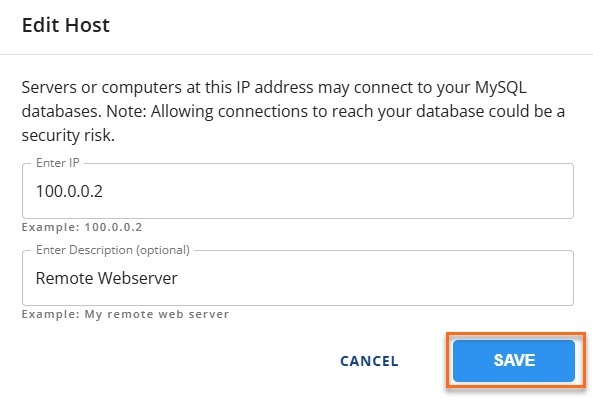
Test your server from outside your network. Ask a friend to help. Provide them your IP address. They should enter it in their browser. Ensure your firewall allows remote access. Double-check your router settings. Remote testing verifies if others can reach your site. It’s a key step for public access.

Credit: community.cloudflare.com
Troubleshooting Common Issues
Hosting a web server on your PC can lead to common issues like connectivity problems and software conflicts. Troubleshooting these involves checking firewall settings, ensuring software compatibility, and verifying network configurations. Simple steps can often resolve these challenges, making your server run smoothly.
Connection Errors
Connection errors are frustrating. Check your internet connection first. Ensure cables are plugged in correctly. Restart the router to refresh settings. Firewall settings can block connections. Open necessary ports for the server. Double-check IP addresses. Mistyped addresses cause problems. Update network drivers regularly. Outdated drivers lead to issues. Check for software conflicts. Certain programs might block connections. Disable antivirus temporarily to test connection. Sometimes, they interfere with server access.
Performance Problems
Performance problems slow down servers. Check system resources like RAM and CPU usage. High usage affects speed. Close unnecessary programs. Free up memory and CPU power. Scan for malware. Viruses can slow down systems. Update software frequently. New updates fix bugs and improve performance. Optimize server settings for better performance. Adjust configurations as needed. Monitor network traffic. Heavy traffic can slow servers. Use tools to check network load. Regular maintenance is key. Keep systems clean and updated.
Maintaining And Updating
Saving your data is important. Regular backups keep your web server safe. Without backups, data can get lost. Use a backup tool. It will help save your files. Choose a time to back up your data. It can be once a day or week. Store backups in a safe place. A different hard drive is a good choice. Cloud storage is also a safe option. If something goes wrong, backups will save you. You can restore your data quickly.
Keeping your software updated is key. Software updates fix bugs and issues. They also protect your server from threats. Check for updates often. Most software will alert you when updates are ready. Always download and install them. Updates make your server run better. They also keep it secure. Your web server will thank you for updating.

Credit: developer.mozilla.org
Frequently Asked Questions
How Do I Make My Pc A Web Server?
Install web server software like Apache or Nginx on your PC. Configure server settings and port forwarding. Ensure your firewall allows web traffic. Obtain a domain name or use your IP address for access. Test your server by accessing it through a browser.
Can I Host A Server On My Pc?
Yes, you can host a server on your PC. Ensure your hardware meets requirements and install server software. Configure network settings to allow external access. Regularly update and secure your server to protect data and performance. Check your internet bandwidth to handle traffic effectively.
Can I Host My Own Web Server?
Yes, you can host your own web server. Ensure a reliable internet connection and secure server software. Choose appropriate hardware based on website requirements. Consider security measures to protect data and maintain privacy. Regularly update software and monitor server performance.
Hosting your server gives complete control over configurations.
How To Convert Old Pc Into Server?
Install a Linux server distribution like Ubuntu Server on the old PC. Configure network settings and install necessary server applications. Optimize hardware for better performance, ensuring sufficient RAM and storage. Secure the server with firewalls and regular updates. Test the server to ensure everything functions correctly.
Conclusion
Hosting a web server on your PC is easier than it seems. Follow the steps carefully. Install the necessary software. Configure settings to match your needs. Ensure your firewall allows traffic. Check your internet connection stability. Test your server for proper functionality.
Regular backups are a good idea. Keep your software updated for security. Troubleshooting might be needed occasionally. Stay patient and focused. With practice, hosting will become second nature. Enjoy the flexibility and control of your personal web server.