
Are you wondering how to make your website stand out and look truly professional? One simple way is by using custom domain hosting.
But what exactly is custom domain hosting, and why should it matter to you? This guide will break down everything you need to know in plain, easy-to-understand terms. By the end, you’ll see how having your own unique web address can boost your brand, build trust with visitors, and give you full control over your online presence.
Ready to take your website to the next level? Let’s dive in.
Custom Domain Hosting Basics
Custom domain hosting is a key part of creating a website. It means using your own website name instead of a generic one. This makes your site look professional and easy to remember. Understanding the basics helps you start your online presence the right way.
What Is A Custom Domain?
A custom domain is your website’s unique name on the internet. It usually ends with extensions like .com, .net, or .org. You buy this name from a domain registrar. It helps visitors find your website quickly. Custom domains build trust and brand identity for your site.
How Hosting Works
Hosting means storing your website files on a server. Servers are powerful computers connected to the internet. When people type your domain name, the server sends your website to their browser. Hosting keeps your website online and accessible 24/7. It also manages data and security for your site.
Types Of Hosting Services
There are different hosting types to choose from. Shared hosting is the cheapest and easiest for beginners. Your site shares space with others on one server. VPS hosting offers more power and control with a virtual private server. Dedicated hosting gives you an entire server just for your site. Cloud hosting uses many servers to keep your site fast and reliable.
Credit: proton.me
Benefits Of Custom Domains
Custom domains offer many benefits for websites and businesses. They help create a strong online presence. Using a unique domain name sets your site apart from others. It makes your website easier to remember and find. Custom domains add professionalism and trust to your brand.
Building Brand Identity
A custom domain helps build a clear brand identity. Your domain name can match your business name. This makes your brand easy to recognize online. Visitors see your domain and link it to your products or services. It creates a consistent look across all marketing channels.
Boosting Credibility
Having a custom domain makes your site look more credible. People trust sites with their own domain name. Free domains often appear less professional or temporary. A custom domain shows you are serious about your business. It encourages visitors to stay longer and engage with your content.
Improving Seo
Search engines favor websites with custom domains. A unique domain can improve your ranking in search results. Keywords in your domain name can help search engines understand your site. This increases your chances of attracting organic traffic. Custom domains also improve click-through rates in search listings.
Choosing The Right Domain Name
Choosing the right domain name is a key step in setting up custom domain hosting. The domain name is the web address that people will type to find your site. It represents your brand and can affect how visitors see your business. Picking a clear and memorable domain name helps you stand out online.
Take your time to find a name that fits your purpose. It should be easy to spell and say. Think about your audience and what words they might use to search for your site. A good domain name builds trust and makes your site easier to remember.
Tips For Domain Selection
Keep your domain short and simple. Short names are easier to type and recall. Avoid using numbers or hyphens as they confuse users. Choose words that relate directly to your business or content. Use keywords that describe what you offer. This helps with search engine visibility. Check if the name is easy to pronounce. Test it by saying it out loud. Make sure it sounds natural and professional.
Avoiding Common Mistakes
Do not copy popular brand names. This can cause legal issues and harm your reputation. Avoid using complicated words that people might misspell. Do not pick a name that is too long or hard to remember. Avoid slang or trendy terms that may become outdated. Do not forget to check if the domain name is available. Use domain registrars to confirm the name is free. Also, avoid using generic words that lack uniqueness. Your domain should reflect your unique identity.
Domain Extensions Explained
The domain extension is the ending part of your web address, like .com or .net. It shows the type of website or its location. The most common extension is .com, trusted worldwide. Other extensions include .org for organizations and .edu for education. Country-specific extensions like .uk or .ca show where the site is based. Choose an extension that fits your site’s purpose. Some new extensions like .shop or .blog can describe your business better. Pick an extension that matches your target audience and goals.
Setting Up Custom Domain Hosting
Setting up custom domain hosting gives your website a unique web address. This helps visitors find your site easily. It also makes your site look more professional and trustworthy.
The process involves three main steps. First, register your domain. Then, select a hosting provider. Finally, connect your domain to your hosting.
Registering Your Domain
Choose a domain name that matches your brand or website topic. Use a domain registrar like GoDaddy or Namecheap. Check if your desired name is available. If not, try different variations. Once you find a good name, buy it for one or more years.
Keep your domain simple and easy to remember. Avoid special characters and long names. This helps visitors recall your site easily.
Selecting A Hosting Provider
Pick a hosting provider that fits your needs and budget. Look for good uptime and fast loading speeds. Basic shared hosting often works well for small sites. Bigger sites may need VPS or dedicated hosting.
Check if the provider supports the website platform you use. Also, review their customer support options. Reliable support can help solve issues quickly.
Connecting Domain To Hosting
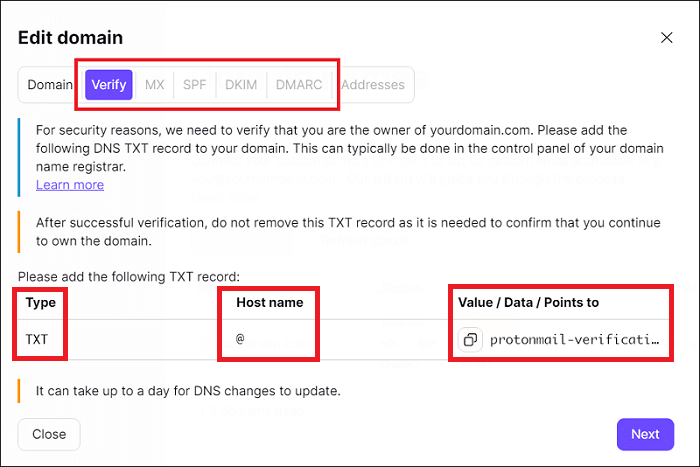
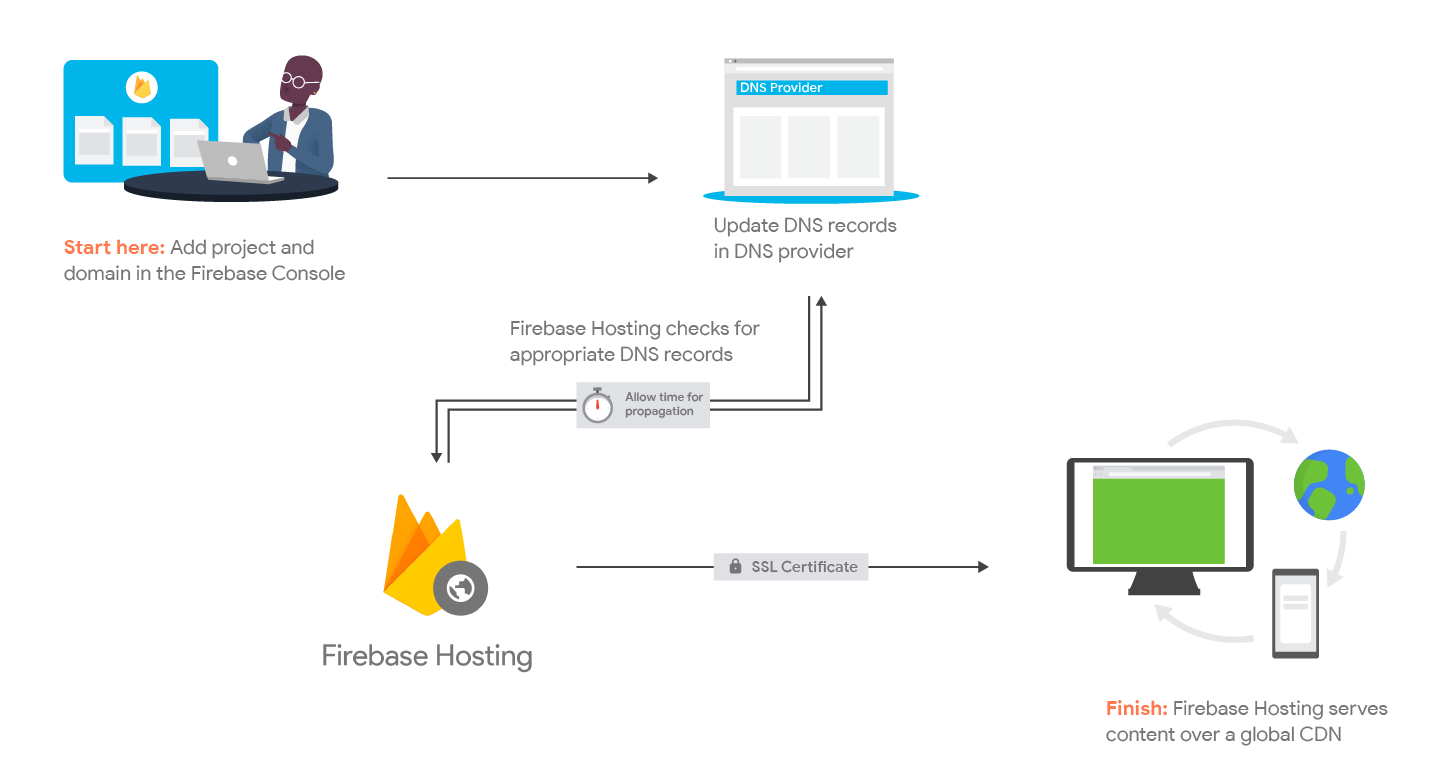
After buying hosting and domain, link them together. This involves updating domain name servers (DNS) to point to your hosting provider.
Log into your domain registrar account. Find the DNS settings or name server section. Enter the name servers given by your hosting provider. Save the changes. It may take a few hours to update worldwide.
Once connected, your website will load using your custom domain. This completes the setup of custom domain hosting.
Managing And Maintaining Your Domain
Managing and maintaining your custom domain is key to keeping your website online and secure. It involves regular tasks that ensure your domain stays active and works properly. You need to watch over important dates, protect it from threats, and make sure it points to the right places on the internet.
Renewal And Expiration
Domains are rented, not owned forever. You pay for them yearly or for several years. Missing a renewal date can cause your website to go offline. Always check your renewal date and pay on time. Many providers offer auto-renewal to avoid losing your domain. Keep your contact details updated to receive renewal reminders.
Security Measures
Protect your domain like you protect your passwords. Use strong, unique passwords for your domain account. Enable two-factor authentication for extra security. Watch out for phishing emails asking for your login details. Lock your domain to prevent unauthorized transfers. Regularly review who has access to your domain settings.
Updating Dns Settings
DNS settings tell the internet where to find your website and email. You may need to update these when changing hosting services or adding email accounts. Make sure you enter the correct IP addresses or server names. Incorrect DNS settings can cause your site or emails to stop working. Changes may take a few hours to take effect, so plan updates carefully.

Credit: learning.postman.com
Common Challenges And Solutions
Custom domain hosting brings many benefits but also some challenges. These issues can affect your website’s performance and accessibility. Understanding common problems helps you prepare and fix them quickly. This section explains key challenges and offers clear solutions.
Domain Transfer Issues
Moving your domain to a new host can cause delays. Sometimes the transfer takes longer than expected. Incorrect settings or expired domains block the process. Make sure your domain is unlocked and renewal is up to date. Use the correct authorization code from your current provider. Confirm email contacts are active to receive transfer requests.
Downtime And Performance
Switching hosting services may cause your site to go offline temporarily. This downtime affects visitors and search engine rankings. Choose a host with strong uptime guarantees. Schedule transfers during low traffic periods. Use caching and content delivery networks to improve speed. Regularly check your site’s performance after migration to catch issues early.
Technical Support Tips
Good support is vital for resolving hosting problems fast. Pick hosts with 24/7 customer service and multiple contact options. Keep detailed notes on your issues and steps taken. Ask clear, simple questions to get precise answers. Use online help centers and forums for quick tips. Always follow up if your problem stays unresolved.
Future Trends In Domain Hosting
The future of custom domain hosting is full of exciting changes. New tools and ideas will shape how websites connect to the internet. These trends will improve speed, security, and branding options.
Domain hosting will become more advanced and user-friendly. Businesses and individuals will enjoy more control over their online presence. This will help create stronger and more trusted websites.
Emerging Technologies
Faster internet protocols will improve domain hosting speed. Technologies like IPv6 will expand internet addresses. Hosting services will use artificial intelligence to manage domains automatically. Security features will grow stronger to protect websites from attacks. Cloud hosting will offer more flexible and reliable domain management.
Domain Name Innovations
New domain extensions will provide more choices beyond .com or .net. Brands can choose names that fit their industry or style. Domain privacy tools will better protect owner information. Dynamic DNS will allow domains to update automatically with changing IPs. Personalized domain names will become easier to create and manage.
Impact On Online Branding
Unique domain names help businesses stand out online. Custom domains build trust with customers and improve credibility. Easy domain management tools will let brands update their sites faster. Stronger domain security will protect brand reputation from cyber threats. Clear and simple domains improve user experience and recall.
Credit: firebase.google.com
Frequently Asked Questions
What Is Custom Domain Hosting Used For?
Custom domain hosting allows you to use a personalized web address for your website. It helps build brand identity and trust. Instead of generic URLs, you get a unique domain name like www. yourbrand. com. This improves website recognition and SEO performance.
How Does Custom Domain Hosting Improve Seo?
Using a custom domain makes your website look professional and trustworthy. Search engines favor unique, relevant domains in rankings. It also helps in keyword optimization and backlinking. Overall, custom domains enhance visibility and organic traffic to your site.
Can I Use My Domain With Any Hosting Provider?
Yes, you can connect your custom domain to almost any hosting provider. You just need to update the domain’s DNS settings with your host’s server details. This flexibility allows you to switch hosts without changing your website address.
Is Custom Domain Hosting Expensive?
Custom domain hosting costs vary but are generally affordable. Domains typically cost $10-$20 per year. Hosting plans range from a few dollars to higher depending on features. Investing in a custom domain is cost-effective for brand growth.
Conclusion
Custom domain hosting gives your website a unique, professional address. It helps build trust with visitors and improves your brand’s identity. You control your web address, making it easier to remember and share. This service supports your online presence and growth.
Choosing the right custom domain hosting can boost your website’s performance. Simple to use and flexible, it fits many needs. A personalized domain makes your site stand out in a crowded online world. Consider it a key step for serious website owners.


