Are spam comments cluttering your WordPress site and wasting your time? You’re not alone.
These unwanted messages can damage your site’s reputation and distract you from what really matters—connecting with your true audience. But don’t worry, stopping spam comments doesn’t have to be complicated. You’ll discover simple, effective ways to keep your site clean and your community engaged.
Ready to take control and protect your WordPress site? Let’s dive in.
Causes Of Spam Comments
Spam comments are a big problem for many WordPress sites. They fill up comment sections with unwanted messages. These comments often contain links or ads that harm your site’s reputation. Understanding the causes helps reduce spam and keep your site clean.
Common Spam Tactics
Spammers use bots to post many comments fast. These bots can find open comment forms easily. They add links to shady sites or try to sell products. Some comments look real but try to trick readers. Others use random words that do not make sense. The goal is to get attention or boost another site’s ranking.
Why Spammers Target WordPress
WordPress powers millions of websites worldwide. This popularity makes it a top target for spammers. Many WordPress sites allow open comments by default. This openness gives spammers a chance to post their messages. Also, some sites lack strong security settings. Weak defenses let spam bots flood the comments quickly.
Built-in WordPress Tools
WordPress offers built-in tools to help reduce spam comments. These tools are easy to use and need no extra plugins. They help keep your comment section clean and safe.
Comment Moderation Settings
WordPress lets you hold comments for review before publishing. This stops spam from appearing right away. You can approve or delete comments manually. It gives control over what shows on your site.
You can set rules for comments. For example, hold comments with too many links. Spam often contains many links. This filter helps catch unwanted comments.
Using The Discussion Settings Effectively
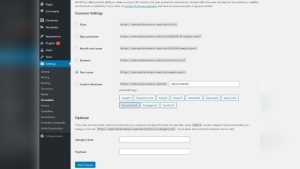
Discussion settings control how comments work on your site. You can require users to fill out their name and email. This reduces anonymous spam comments.
You can also close comments on old posts. Spammers target older pages with less activity. Closing comments after a set time lowers spam risk.
Enable email notifications for new comments. This helps you review and act quickly. Fast action keeps your site clean and safe.
Popular Anti-spam Plugins
Spam comments can harm your WordPress site. They clutter your posts and lower your site’s quality. Using anti-spam plugins helps keep comments clean and safe. These plugins filter out unwanted content automatically. They save time and improve user experience.
Akismet
Akismet is one of the most popular anti-spam plugins. It checks all comments against a global database of spam. It catches most spam before it appears on your site. It also allows you to review spam comments and restore any false positives. Akismet works quietly in the background to protect your site.
Antispam Bee
Antispam Bee is a free plugin trusted by many WordPress users. It blocks spam comments without asking visitors for a captcha. It uses multiple methods to detect spam, including checking IP addresses and comment content. It also supports GDPR compliance. Antispam Bee is easy to set up and use.
Wp Spamshield
WP SpamShield offers strong protection against spam comments and trackbacks. It uses a combination of JavaScript and cookies to stop spam bots. It works without captchas or quizzes, so users have a smooth experience. WP SpamShield also blocks spam in contact forms and registrations. This plugin reduces spam with minimal effort.

Credit: wp101.com
Customizing Comment Forms
Customizing comment forms is a smart way to reduce spam on your WordPress site. Simple changes can block many unwanted messages. You keep your site clean and your readers happy. Custom forms help control who can comment and how they interact with your content.
Adding Captchas
Captchas stop bots from posting spam comments. They ask users to prove they are human. This might be typing letters or solving a small puzzle. Many WordPress plugins add captchas easily. Captchas keep automated spam out without bothering real visitors too much.
Requiring User Registration
Requiring users to register before commenting cuts spam a lot. It means only real people with accounts can leave comments. This adds a step but improves comment quality. You can manage users and block spammers more easily. It also builds a community of trusted commenters.
Manual Moderation Practices
Manual moderation helps control spam comments on WordPress sites. It requires active involvement from the site owner or moderators. This method ensures only genuine comments appear, keeping the discussion clean and meaningful. It takes time but improves site quality.
Approving Comments Wisely
Review each comment carefully before approval. Check for relevance and quality. Look for signs of spam like strange links or repeated phrases. Approve only comments that add value to the conversation. This keeps the comment section trustworthy and user-friendly.
Blacklisting And Whitelisting
Use blacklists to block specific words or IP addresses often linked to spam. This stops unwanted comments before they appear. Whitelists allow trusted users to post without delay. Managing both lists helps balance open discussion with spam control. Adjust these lists regularly for best results.

Credit: wordpress.org
Server-side And Security Measures
Server-side and security measures help stop spam comments before they reach your WordPress site. These methods work on your web server or hosting platform. They add strong protection layers that block spam bots and harmful users.
These measures reduce the load on your website and keep your comment section clean. They also protect your site from attacks and unwanted traffic. Using server-side tools improves your site’s speed and security.
Using Firewall Protection
Firewalls filter incoming traffic to your website. They check each visitor and block harmful requests. This stops many spam comments from even reaching your WordPress site.
Web Application Firewalls (WAF) are common for WordPress sites. They watch for suspicious behavior and block spam bots automatically. Many hosts include WAF as part of their security package.
Firewall rules can block known spam IPs and bad user agents. This helps stop spam before it becomes a problem. Firewalls also protect against hacking attempts and other threats.
Blocking Ip Addresses
Blocking IP addresses stops spam from repeat offenders. You can block specific IPs or whole IP ranges that send spam comments. This method works well against persistent spam bots.
WordPress allows easy IP blocking via plugins or server settings. You can add bad IPs to a blocklist to keep them out. Check your comment logs to find spammy IP addresses.
Be careful not to block real visitors. Use IP blocking together with other spam prevention methods. This keeps your site safe and user-friendly at the same time.
Ongoing Maintenance Tips
Keeping spam comments away needs constant care. Ongoing maintenance helps keep your WordPress site clean and safe. Small, regular actions stop spam from piling up and causing problems. Consistent attention ensures better site performance and a good user experience.
Regular Plugin Updates
Update your anti-spam plugins often. Developers fix bugs and add new spam filters. Old versions may miss new spam tricks. Automatic updates help but check manually too. Updated plugins protect your site better.
Monitoring Comment Activity
Check comments daily. Look for unusual patterns or repeated spam messages. Approve comments carefully to keep quality high. Use moderation tools to block suspicious users. Early detection stops spam before it spreads.
Credit: www.wpzoom.com
Frequently Asked Questions
How Can I Stop Spam Comments On WordPress?
Use anti-spam plugins like Akismet or WP SpamShield. Enable comment moderation to review comments before publishing. Use CAPTCHA or reCAPTCHA to block bots. Regularly update WordPress and plugins to protect your site from vulnerabilities.
What Plugins Help Prevent Spam Comments Effectively?
Popular plugins include Akismet, WP SpamShield, and Anti-Spam Bee. These plugins detect and filter spam automatically. They reduce manual moderation time and protect your site from malicious content. Choose one compatible with your WordPress version.
How Does Comment Moderation Reduce Spam?
Comment moderation allows you to approve comments before they appear publicly. This prevents spam or harmful content from showing on your site. It gives you control over what readers see and maintains your website’s quality and credibility.
Can Captcha Prevent WordPress Spam Comments?
Yes, CAPTCHA or reCAPTCHA requires users to prove they are human. This stops automated bots from posting spam comments. Adding CAPTCHA to your comment form reduces unwanted spam and improves website security.
Conclusion
Spam comments can harm your WordPress site’s reputation and slow it down. Use tools and settings to block unwanted messages. Regularly check your comment section to keep it clean. Simple steps like using a captcha or limiting links work well.
Protect your site to keep discussions real and helpful. Stay consistent, and your site will stay safe and user-friendly.