Have you ever wondered where WordPress stashes the code that tracks your site stats? If you’re managing a WordPress site, you know how crucial it is to keep an eye on your site’s performance and visitor interactions.
But diving into the backend can be daunting, especially when you’re unsure of where to look. In this post, we’ll pull back the curtain on the exact files that contain the code responsible for your site stats. By the end of this article, you’ll not only know where to find these files but also feel empowered to take control of your site’s analytics with confidence.
Get ready to uncover the secrets hidden in your WordPress files and boost your site’s performance like never before!
WordPress File Structure
WordPress has many core files. They help your site run. These files include wp-config.php and wp-settings.php. Each file has a special job. They make your site work smoothly. Do not change core files. It can break your site. Update them often for security.
Theme files change how your site looks. They are in the wp-content folder. Each theme has its own folder. Inside, there are style.css and functions.php files. These files control design and features. Choose a theme that fits your style. Update themes to fix bugs.
Plugins add features to your site. They are also in the wp-content folder. Each plugin has its folder. Plugins can add site stats code. Install plugins to add new tools. Keep them updated for best performance.
Locating Site Stats Code
Stats code is often in the header.php file. This file is in your theme folder. Another place is the footer.php file. It can also be in the functions.php file. These files load on every page. So, they are good spots for the code. Sometimes, the code is in a plugin. Plugins can add their own stats code.
Custom integrations can be tricky. They are not in standard files. Check for extra code in the theme editor. Look at custom files. They might have the stats code. Use a file search tool. It can help find the code fast. Remember, always back up before changes.
Core Files And Site Stats
The functions.php file plays a key role. It helps in adding extra code. This can include site stats functions. Developers often use it for custom features. It is part of a theme’s folder. Each theme has its own functions.php file. Always make a backup before editing it. Mistakes can crash the site.
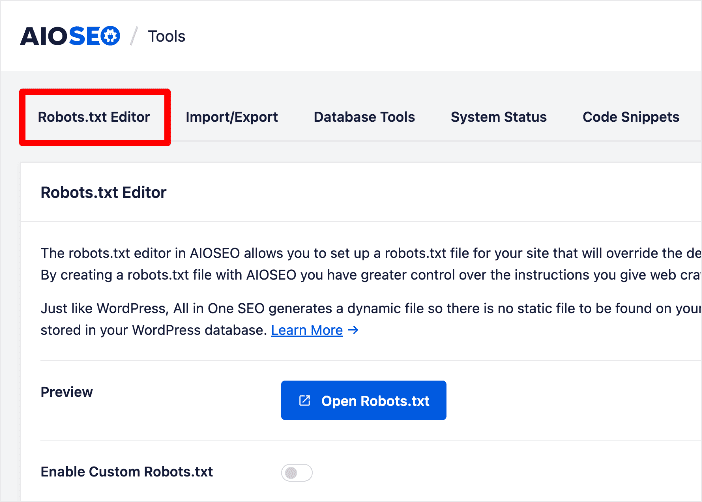
The wp-config.php file holds important settings. It connects WordPress to the database. This file is in the root directory. It can also be used to add site stats code. But changes must be done carefully. A wrong edit can break the site. Always keep a copy before making changes.
Credit: aioseo.com
Theme Files And Site Stats
Header.php is a crucial file in WordPress themes. This file often contains the site stats code. It loads with every page, ensuring stats are tracked. It helps monitor visitor activity effectively. Developers commonly place analytics scripts here. This ensures code runs before page content. Quick and reliable. Easy to locate within the theme folder.
The Footer.php file also plays a key role. It is another popular location for site stats code. Placing code here ensures it loads after the main content. This can improve page speed. Developers often prefer this file. It helps reduce loading time issues. Stats code in Footer.php is easy to manage. Accessible for changes anytime. Simple yet effective.
Plugin Files And Site Stats
Many plugins help track site stats. Jetpack is a favorite for WordPress users. It shows visitor numbers and page views. Google Analytics is another choice. It offers detailed reports. These plugins are easy to install. Most users find them simple. They give clear information on site performance. Users can see which posts are popular. They can also view traffic sources.
Some websites need custom plugins. These plugins are unique. They fit special needs. Developers write them to track specific stats. They may include extra features. Custom plugins can show real-time data. They help sites perform better. Many businesses prefer this option. It helps them understand their audience. Custom plugins are flexible. They can adapt to any site requirement.

Credit: answers.netlify.com
Troubleshooting Site Stats Issues
Errors in the site stats code can cause big problems. Wrong file paths or missing semicolons can break your stats. These small mistakes stop your site from showing data. Check for typos in your code. Code needs to be clean and correct.
Outdated plugins can also cause trouble. They might not work with new themes. Always update plugins to fix errors. New versions have fewer bugs. This helps in smooth running of site stats.
Start with commenting out parts of the code. This finds where the error is. This is like turning off parts of a machine to see what’s wrong.
Use error logs to see what the problem is. Logs show errors in detail. They help you fix things quickly. Re-upload files if they are missing or corrupt. This can solve many issues. Always keep a backup before making changes.

Credit: make.wordpress.org
Frequently Asked Questions
What Files Store WordPress Site Stats Code?
WordPress site stats code is typically stored in your theme’s header. php or footer. php files. These files are located in your active theme folder. The stats code is often added through plugins or custom code snippets. Always back up your files before making any changes to avoid data loss.
How Do I Locate WordPress Stats Code?
To locate your WordPress stats code, navigate to your active theme’s directory. Check the header. php or footer. php files for any tracking scripts. You can also use a plugin like “Insert Headers and Footers” to manage code snippets. Ensure you have backups before editing these files.
Can Plugins Handle WordPress Site Stats?
Yes, plugins can effectively manage WordPress site stats. Popular plugins like Jetpack or MonsterInsights offer comprehensive analytics. They automatically integrate tracking codes into your site. Plugins simplify the process, providing easy access to site statistics without manual code editing. Always choose reputable plugins to ensure security and performance.
Is Manual Code Editing Required For Stats?
Manual code editing isn’t always necessary for WordPress stats. Many plugins automate the integration of tracking codes. However, if you prefer manual methods, you can insert tracking scripts into your theme’s header. php or footer. php files. Always back up your site before editing code to prevent data loss.
Conclusion
Understanding WordPress site stats is crucial for managing your site. The stats code often hides in specific files like footer. php or functions. php. Knowing this can help you track site performance better. Always backup files before making changes. This prevents data loss and ensures safety.
Regularly checking stats helps you improve site content. Enhancing user experience becomes easier with accurate data. Explore the files mentioned for smoother operation. These steps guide you towards efficient site management. Keep learning and adapting to new updates. Your site will benefit from consistent monitoring and improvements.