Are you curious about what makes WordPress tick? If you’re diving into the world of web development or just want to enhance your website-building skills, understanding the programming languages behind WordPress is a game-changer.
You’ll discover how these languages work together to create the seamless, user-friendly experience that WordPress is famous for. Whether you’re a beginner or a seasoned developer, gaining insights into these languages can empower you to customize, optimize, and elevate your WordPress sites like never before.
Keep reading to unlock the secrets behind the digital powerhouse that powers nearly 40% of the web.
Core Languages
PHP is the main language for WordPress. It helps create dynamic web pages. PHP stands for Hypertext Preprocessor. It is a server-side language. This means it runs on the server, not your computer. PHP works with databases to store information. It is easy to learn and use. Many developers love PHP because it is powerful and flexible.
JavaScript makes websites interactive. It works in your web browser. JavaScript helps create buttons and menus that move. It can make pictures change on a page. JavaScript runs on your computer, not on the server. It is a client-side language. Many developers use JavaScript to make WordPress themes and plugins. It is a key part of web development.

Credit: mpwrdesign.com
Database Management
MySQL is a key player in managing WordPress databases. It helps store all site data. This includes posts, user info, and comments. The database is like a giant library. MySQL organizes everything neatly. It ensures quick data retrieval. So, your site runs smoothly. Site speed is important for users. MySQL makes sure data is safe. It supports backups and data recovery. This ensures nothing gets lost. MySQL is open-source. So, it’s free for everyone. Many love its flexibility. It works well with large sites. But also small ones.
MySQL uses a language called SQL. SQL stands for Structured Query Language. This language helps in querying the database. Need to find a post? Use SQL. Want to update user info? SQL does it fast. MySQL and SQL together make a powerful team. They keep WordPress running efficiently.
Style And Design
CSS helps make websites look pretty. It changes colors, fonts, and layouts. Easy to learn and very useful. CSS works well with HTML. Together, they create beautiful web pages. You can change styles quickly with CSS. It controls how things look on screens. Without CSS, web pages would be plain. Designers use CSS to make sites attractive. It helps organize content nicely. CSS makes sites look different. It allows for creativity. Designers love customizing with CSS. It is a key part of web design. Simple yet powerful. CSS is essential for modern websites. It creates visual appeal. Helps websites stand out. Makes browsing fun and engaging.
Credit: wcanvas.com
Front-end Enhancements
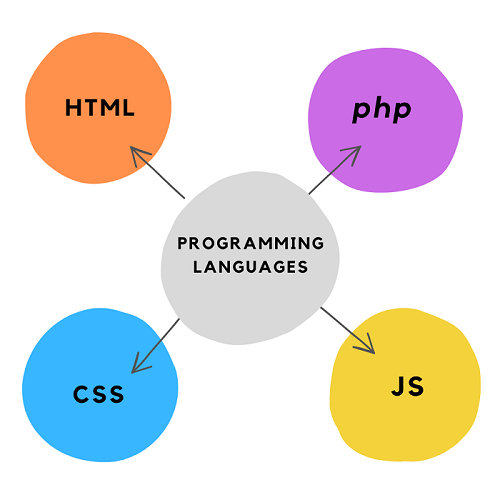
WordPress uses HTML, CSS, JavaScript, and PHP for front-end enhancements. HTML structures the content. CSS styles it beautifully. JavaScript adds interactive elements. PHP powers the dynamic features. These languages together create seamless user experiences.
Jquery
WordPress uses jQuery for smooth interactions on web pages. This JavaScript library helps with animations and effects. It makes websites look more dynamic and modern. With jQuery, elements can move or change without reloading the page. This keeps the user engaged and saves time. The library is easy to use, even for beginners. It requires less code to do more things. Developers often use jQuery for sliders and pop-ups. It also helps with form validation. This checks if users enter the correct information. jQuery makes web pages responsive. This means they work well on phones and tablets too. It is a popular choice because it is fast and reliable. Many plugins rely on jQuery for added features. It is a key part of WordPress front-end enhancements.
Custom Theme Development
SASS helps in creating neat styles for themes. It is a CSS preprocessor. It makes writing CSS easier and faster. Developers use SASS to make styles more organized. SASS files have a .scss extension. They are later compiled into regular CSS. SASS allows variables, which store values. This reduces repetition in code. For example, you can store a color in a variable. Then, use it many times in your CSS. It also has nesting. This means you can write cleaner, more readable code. For example, you can nest CSS selectors inside each other.
LESS is another popular CSS preprocessor. It simplifies writing CSS for themes. Like SASS, LESS supports variables. These variables store reusable values. For example, font sizes can be stored in variables. This makes changes easy and quick. LESS uses a .less file extension. These files compile into regular CSS. LESS also supports nesting. This makes the code easy to read and manage. It helps in creating more structured and clean styles. Many developers love using LESS for these reasons.
Plugin Creation
Creating plugins for WordPress involves using PHP, the primary language for its development. HTML, CSS, and JavaScript are also essential for designing and enhancing functionality. Understanding these languages helps developers build effective and engaging plugins.
Php
PHP is the core language for WordPress. It handles the server-side tasks. Developers use PHP for database interaction. PHP helps create dynamic web pages. It is easy to learn and widely used. Plugins often rely on PHP functions. They extend the website’s abilities.
Javascript
JavaScript adds interactive elements to plugins. It works on the client-side. Developers use JavaScript for animations and form validations. It makes web pages more engaging. JavaScript can handle events like clicks and hovers. Many plugins use JavaScript libraries. These libraries simplify coding tasks.
Emerging Technologies
React is a popular JavaScript library. It helps build user interfaces. Many developers like it. It makes web pages interactive. React is fast and efficient. It helps create dynamic web pages. With React, websites feel modern. It is easy to learn. Even beginners can use it. WordPress themes use React. It makes the site look fresh. React is powerful but simple. Many companies use it. It has a big community. They help each other.
Node.js is a JavaScript runtime. It runs on the server side. This is different from the browser. Node.js is fast. It can handle many requests. This is good for busy websites. WordPress can use Node.js. It helps with real-time updates. Chats and notifications work better. Node.js is popular with developers. It has many tools. These tools help build better sites. Node.js makes WordPress sites smarter. It is easy to understand. Many people use it daily.
Credit: siteefy.com
Frequently Asked Questions
What Languages Are Essential For WordPress?
WordPress primarily uses PHP as its core programming language. Additionally, HTML, CSS, and JavaScript are essential for customizing themes and plugins. These languages work together to create the dynamic and interactive websites WordPress is known for. Understanding these languages helps in effectively managing and enhancing WordPress sites.
Is Php Used In WordPress Development?
Yes, PHP is the primary programming language used in WordPress development. It powers the core functionality of WordPress. PHP enables server-side scripting, allowing for dynamic content management. Understanding PHP is crucial for customizing and developing WordPress themes and plugins effectively.
How Does Javascript Contribute To WordPress?
JavaScript enhances the interactivity and functionality of WordPress sites. It allows developers to create dynamic features and responsive designs. JavaScript is often used with libraries like jQuery to simplify tasks. Understanding JavaScript helps in improving user experience and adding custom features to WordPress websites.
Why Is Html Important In WordPress?
HTML is fundamental for structuring content on WordPress websites. It defines the layout and elements of a web page. WordPress themes use HTML to display content correctly. Mastering HTML is crucial for customizing WordPress themes and ensuring your site’s content is properly formatted and accessible.
Conclusion
Understanding the programming languages in WordPress helps improve your website. HTML, CSS, and JavaScript handle the layout and style. PHP is the core engine that runs WordPress. MySQL manages the database efficiently. Each language has a unique role and importance.
These languages together make WordPress powerful and flexible. Knowing them empowers you to troubleshoot and customize your site. Explore these languages to enhance your WordPress skills. Practice and experimentation lead to better results. Your WordPress journey becomes easier with this knowledge.
Embrace learning and watch your website thrive.